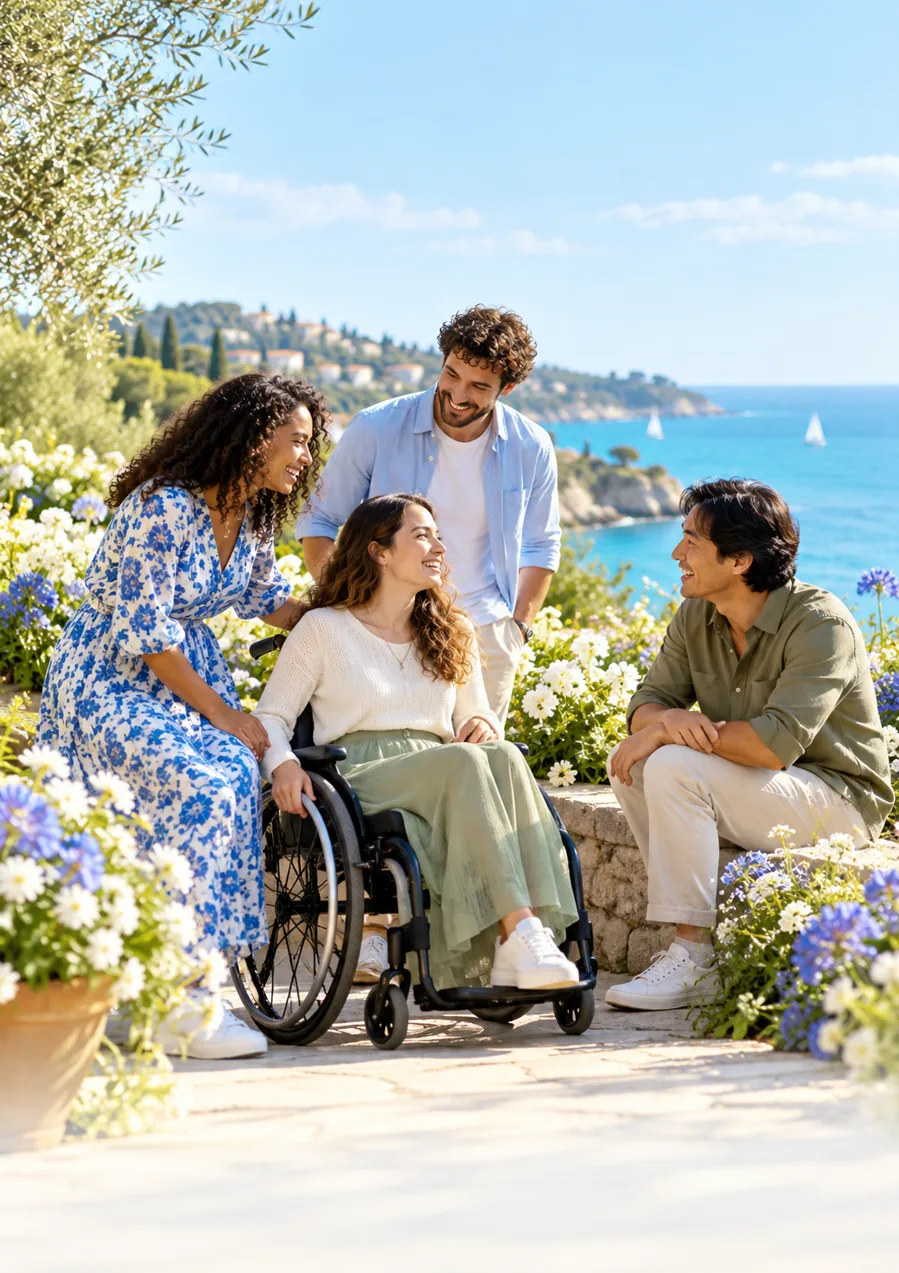
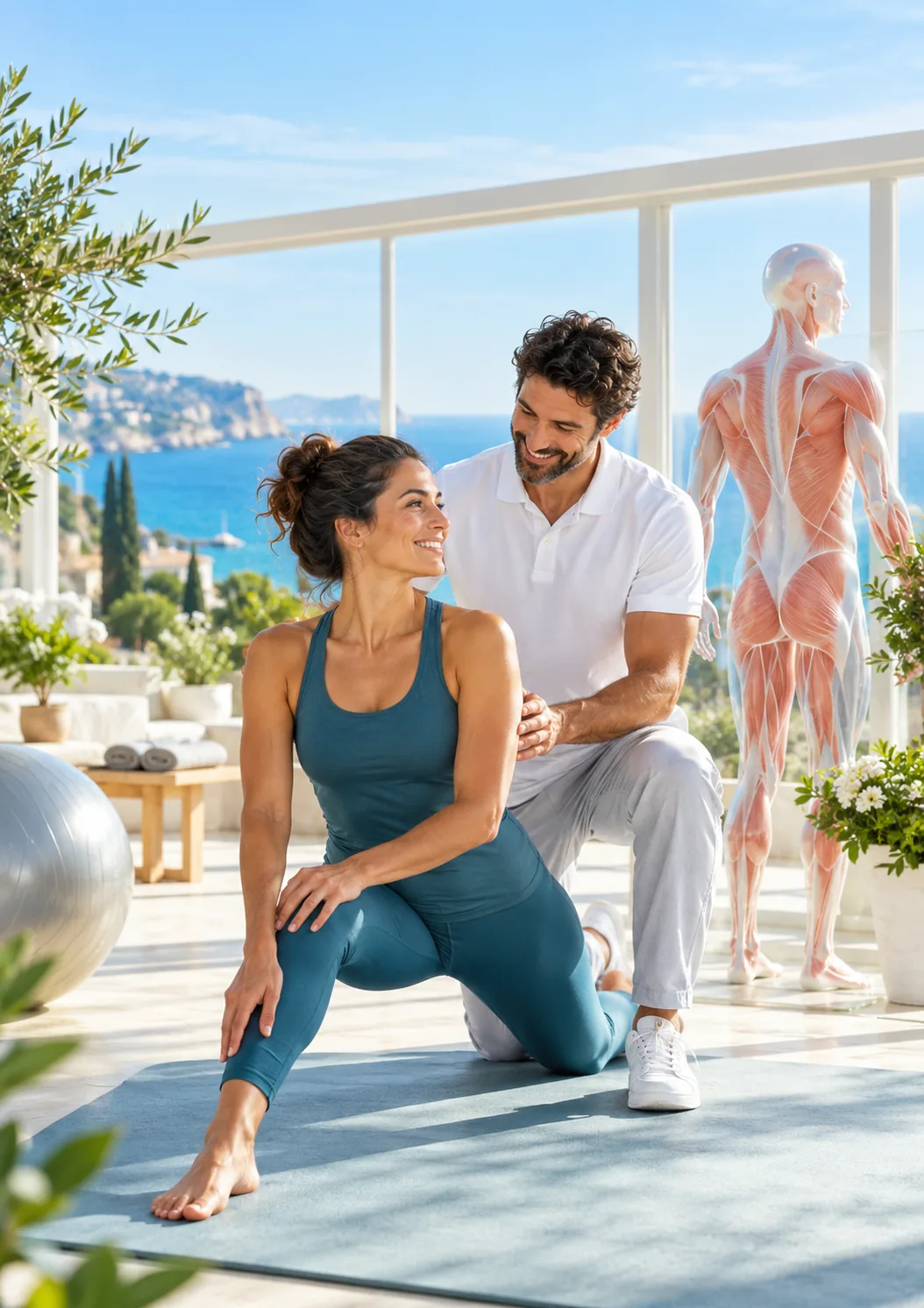
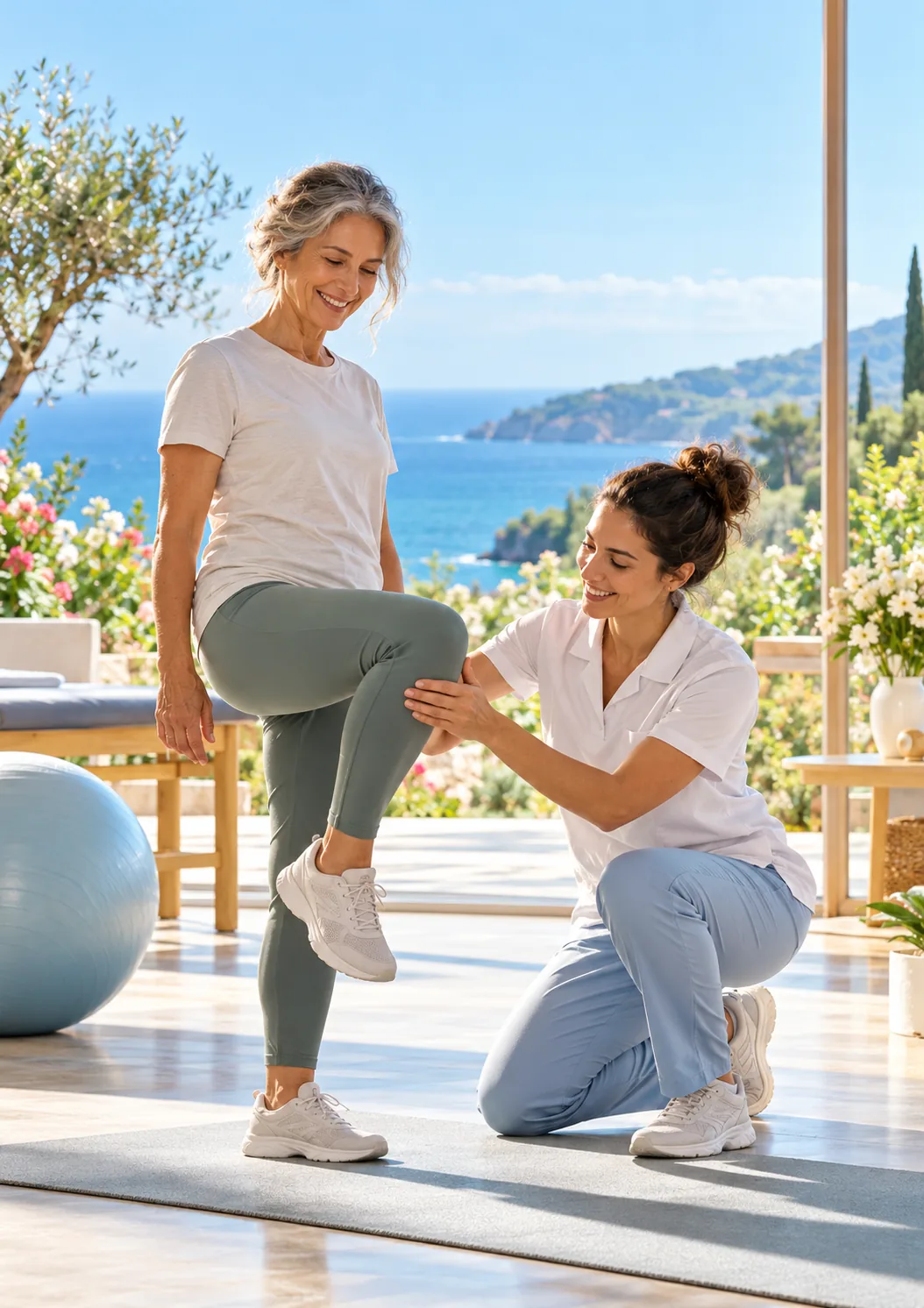
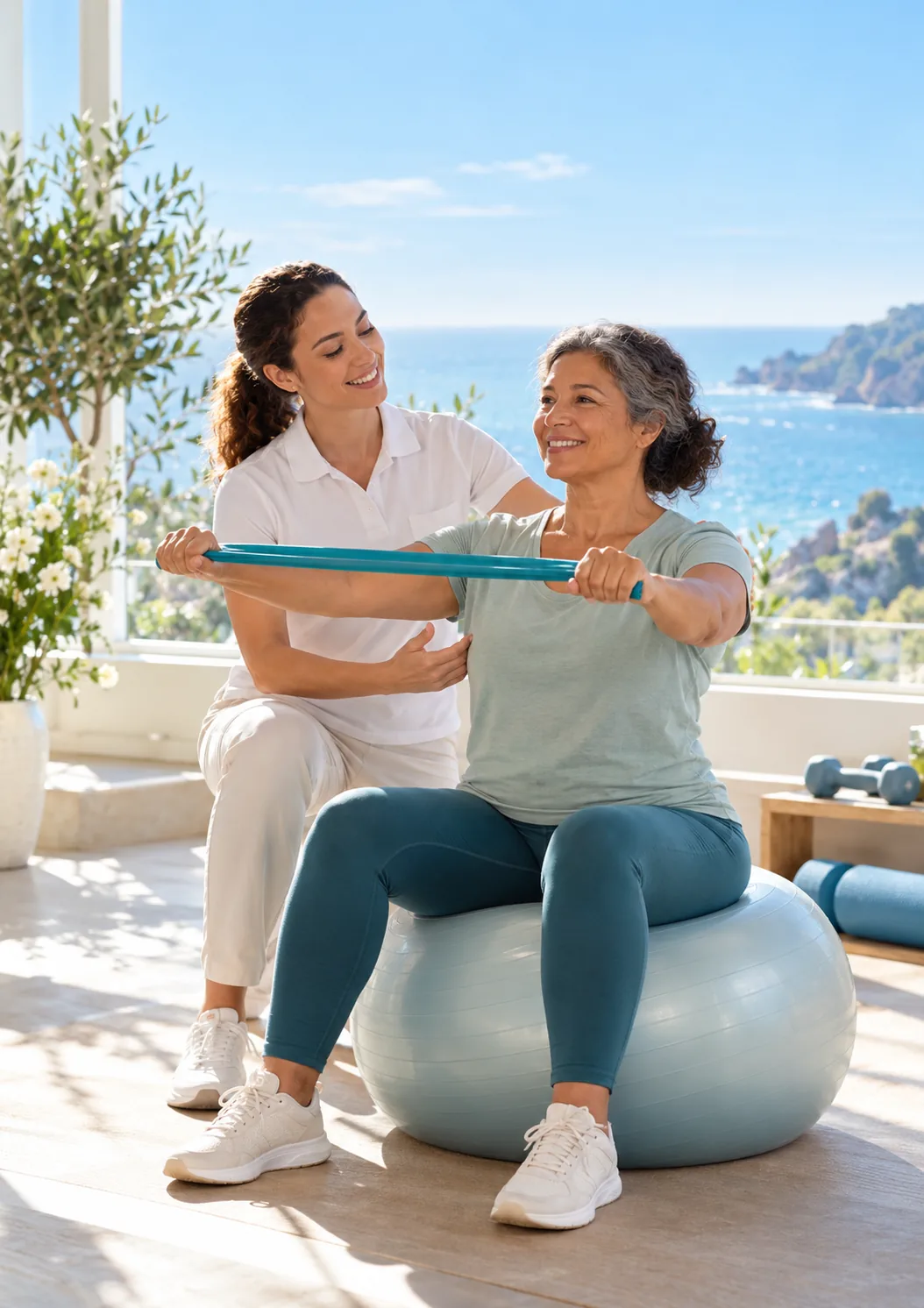
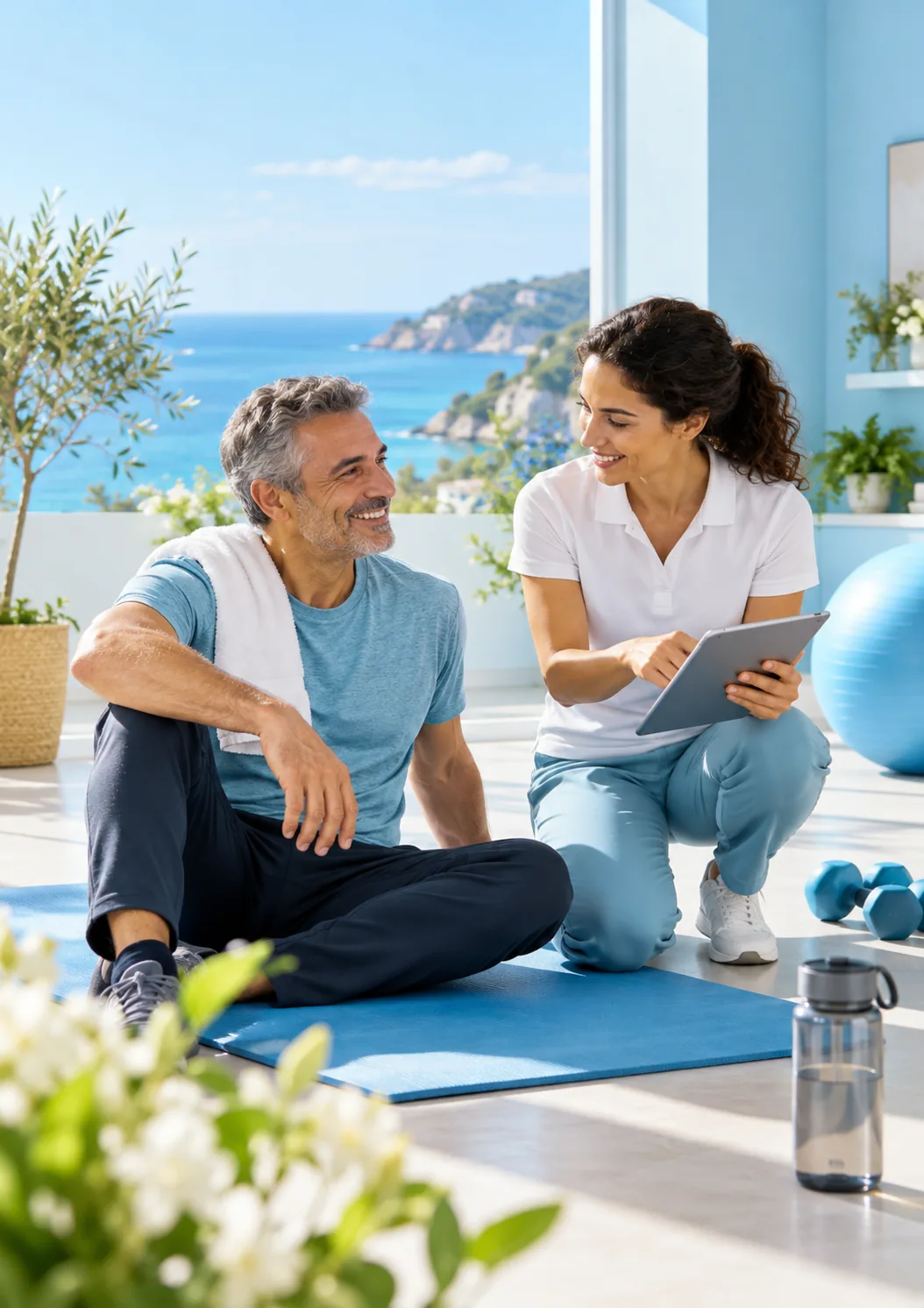
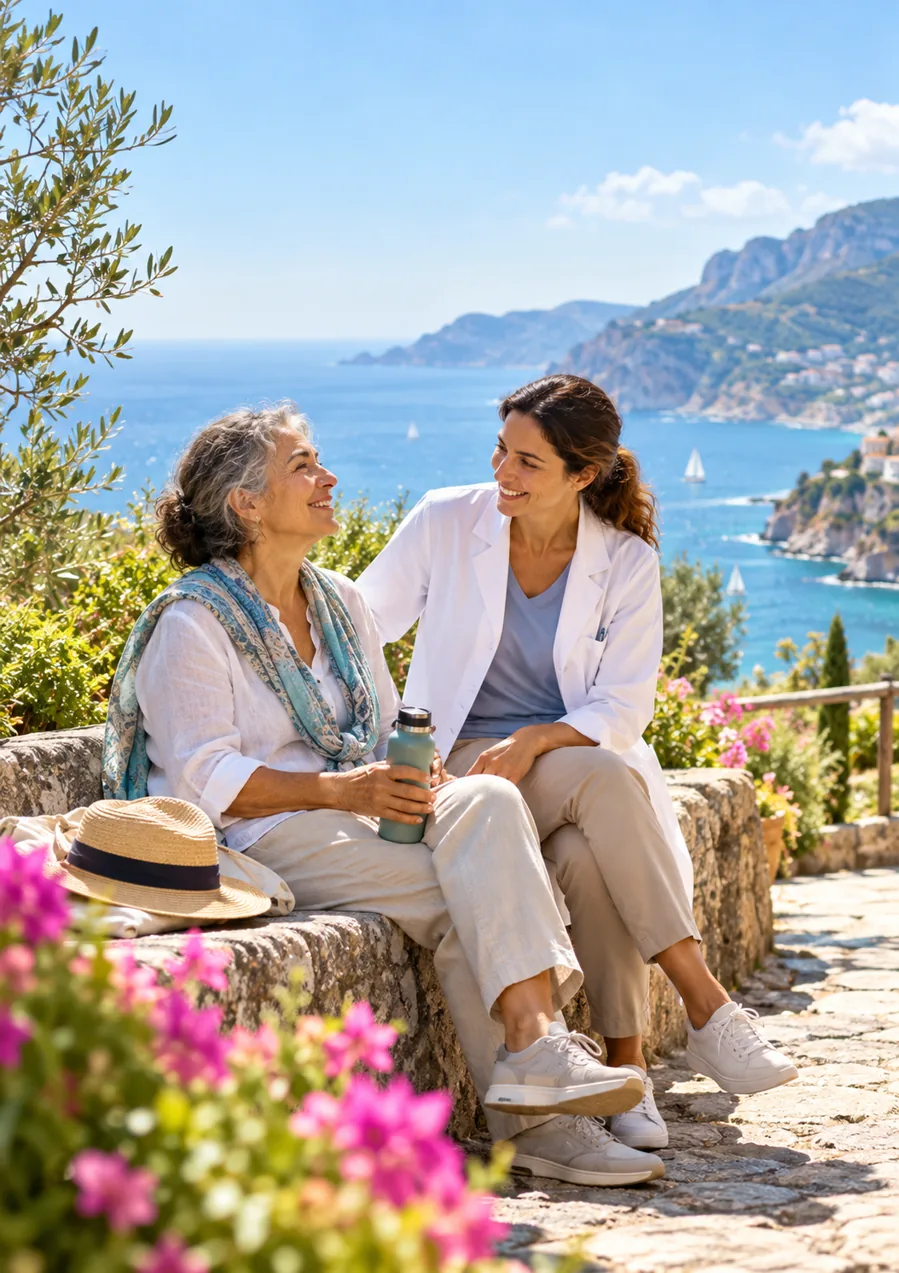
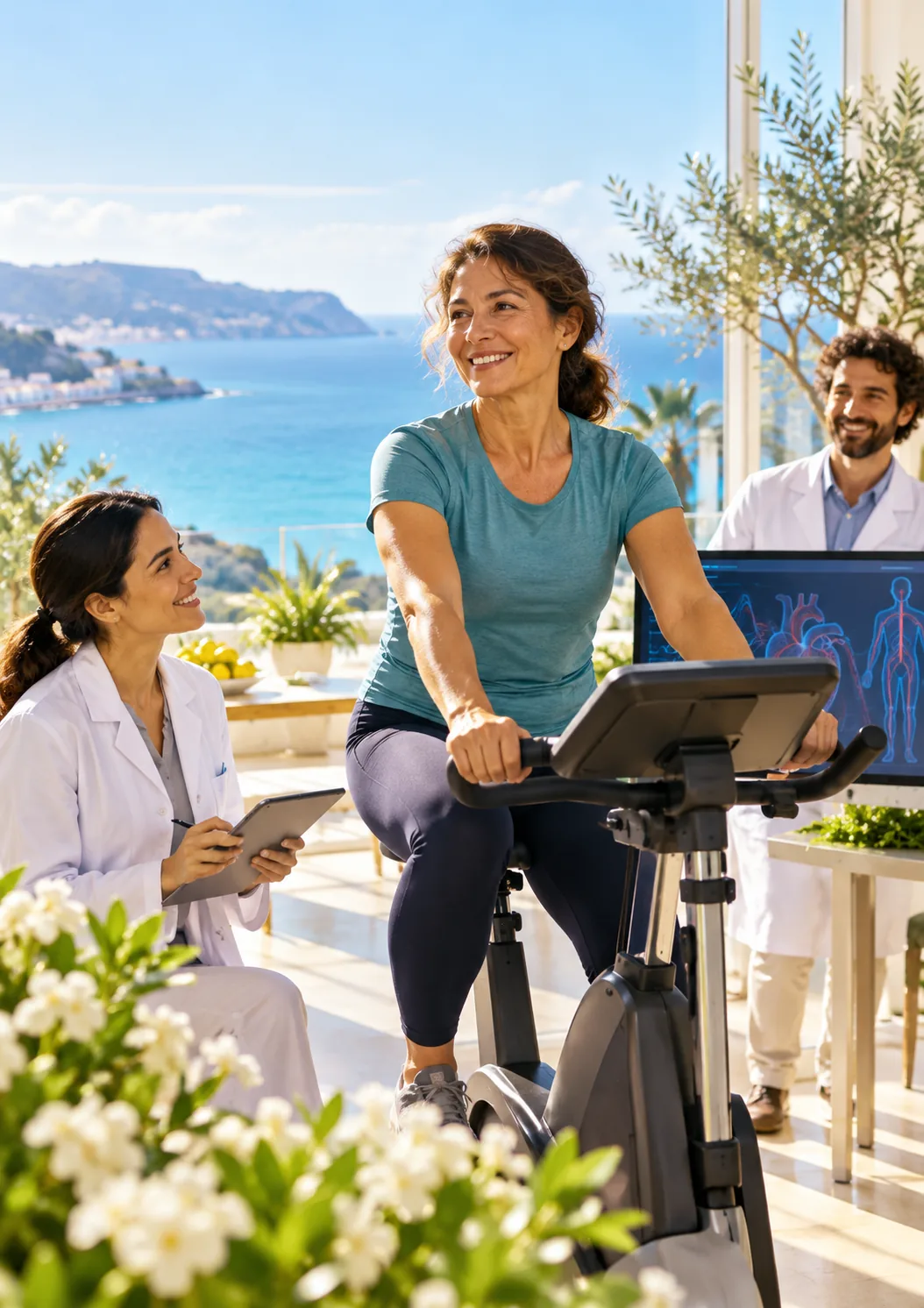
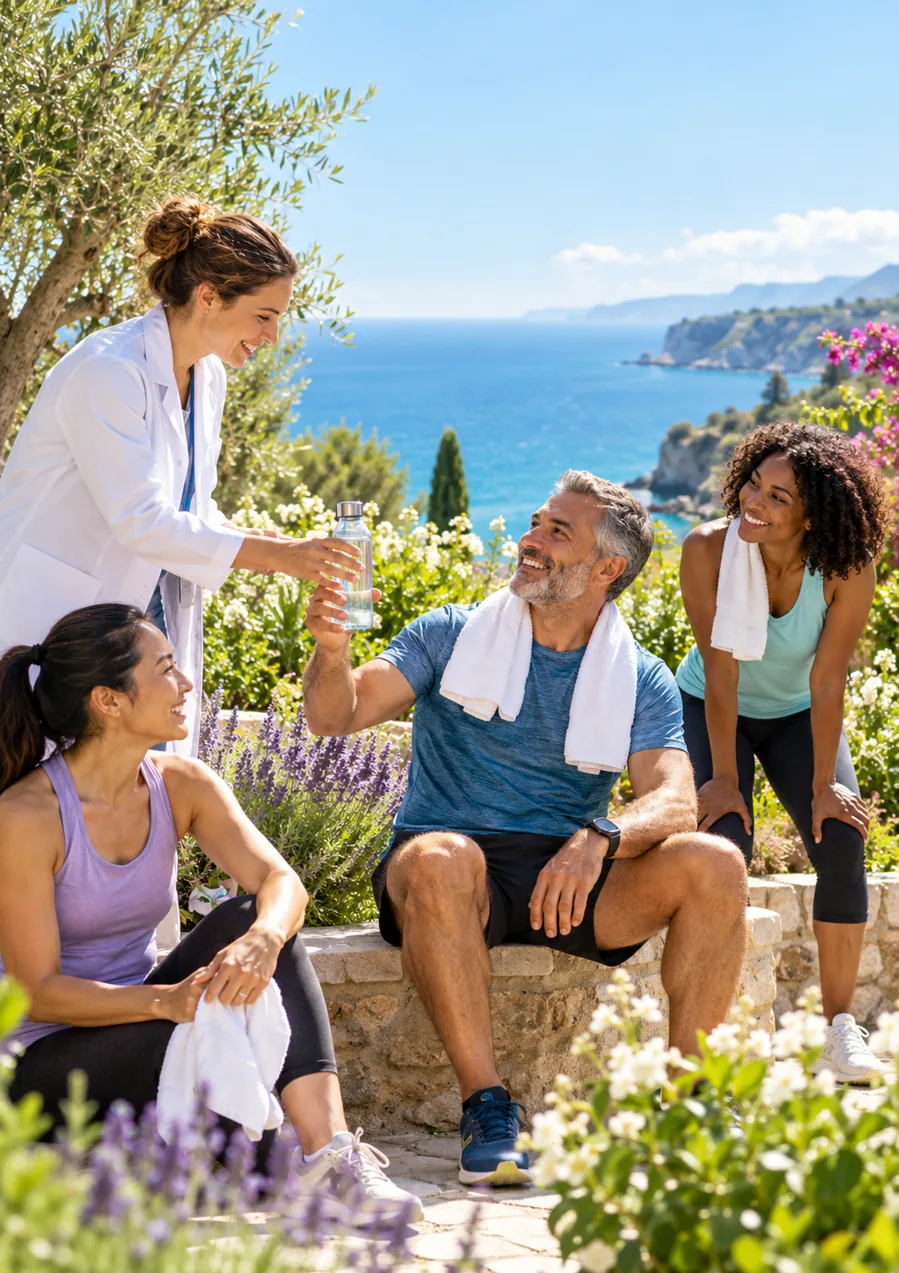
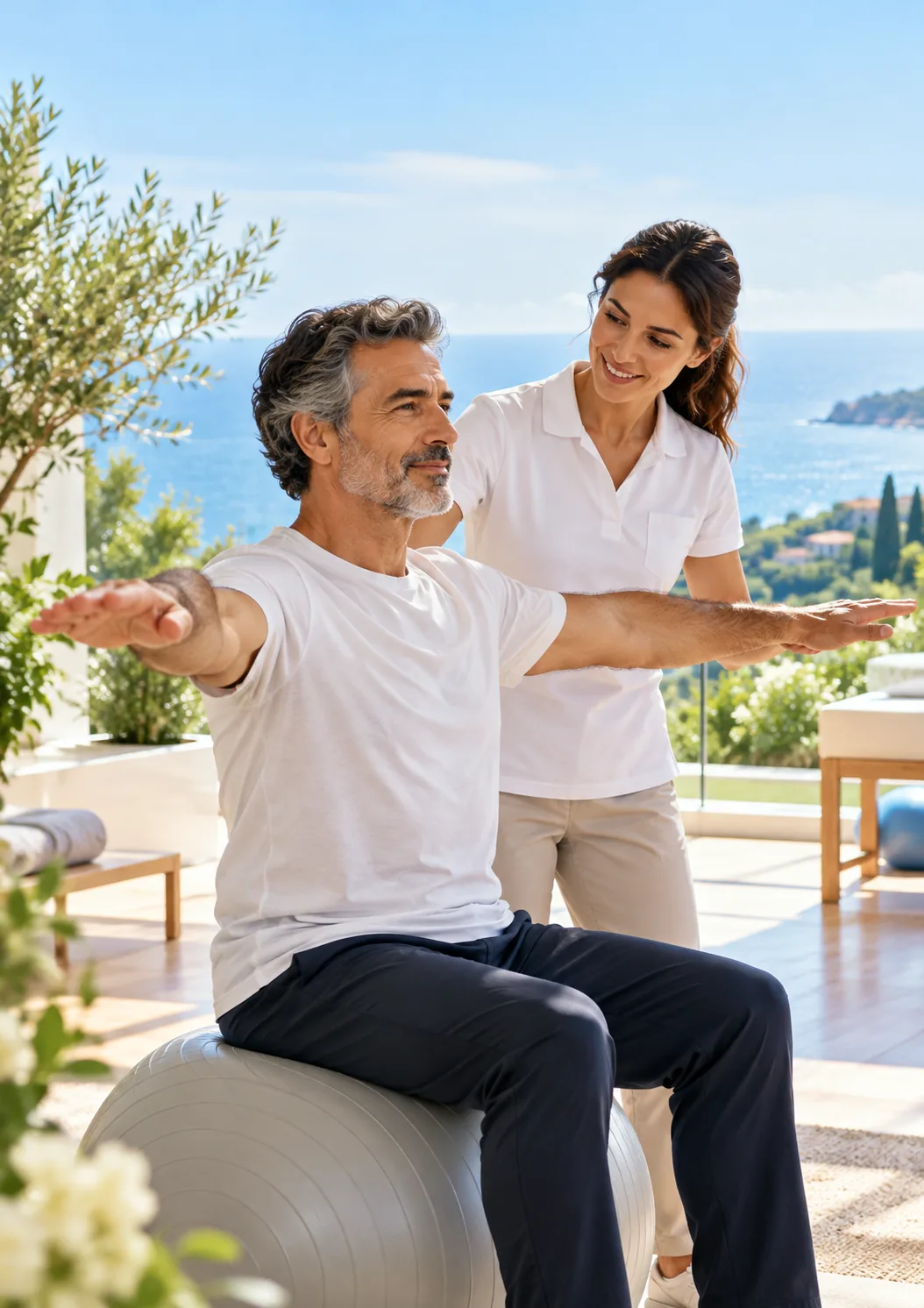
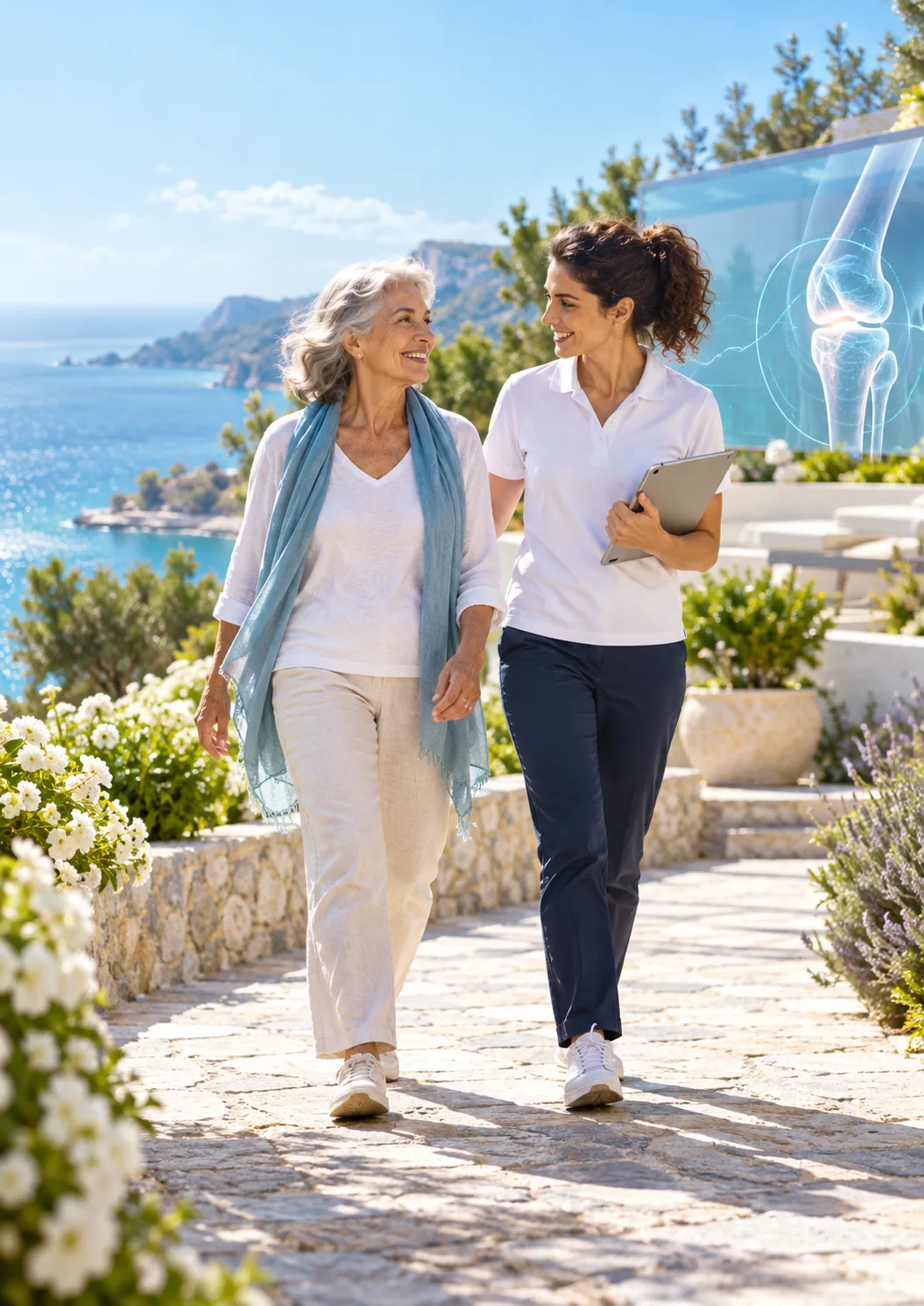
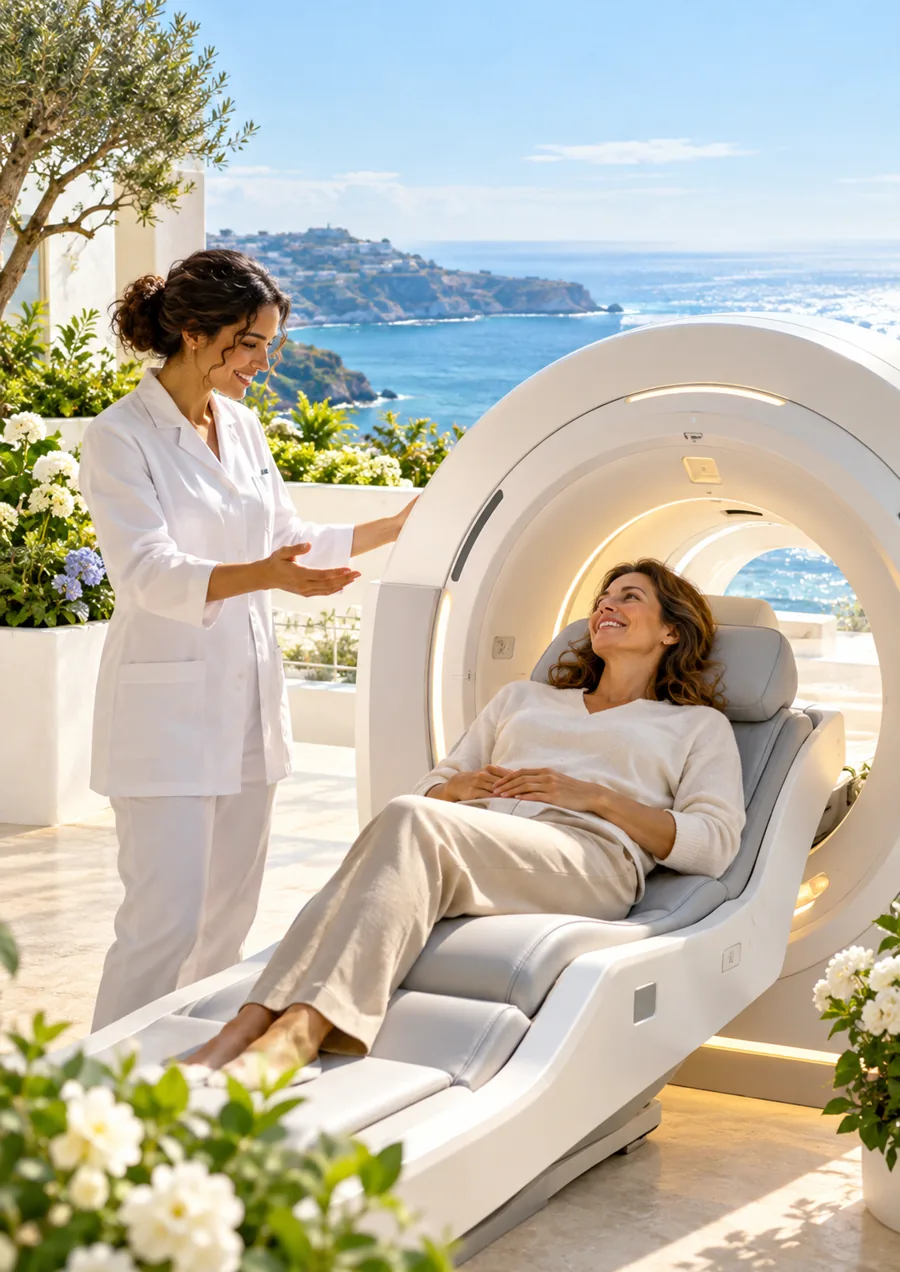
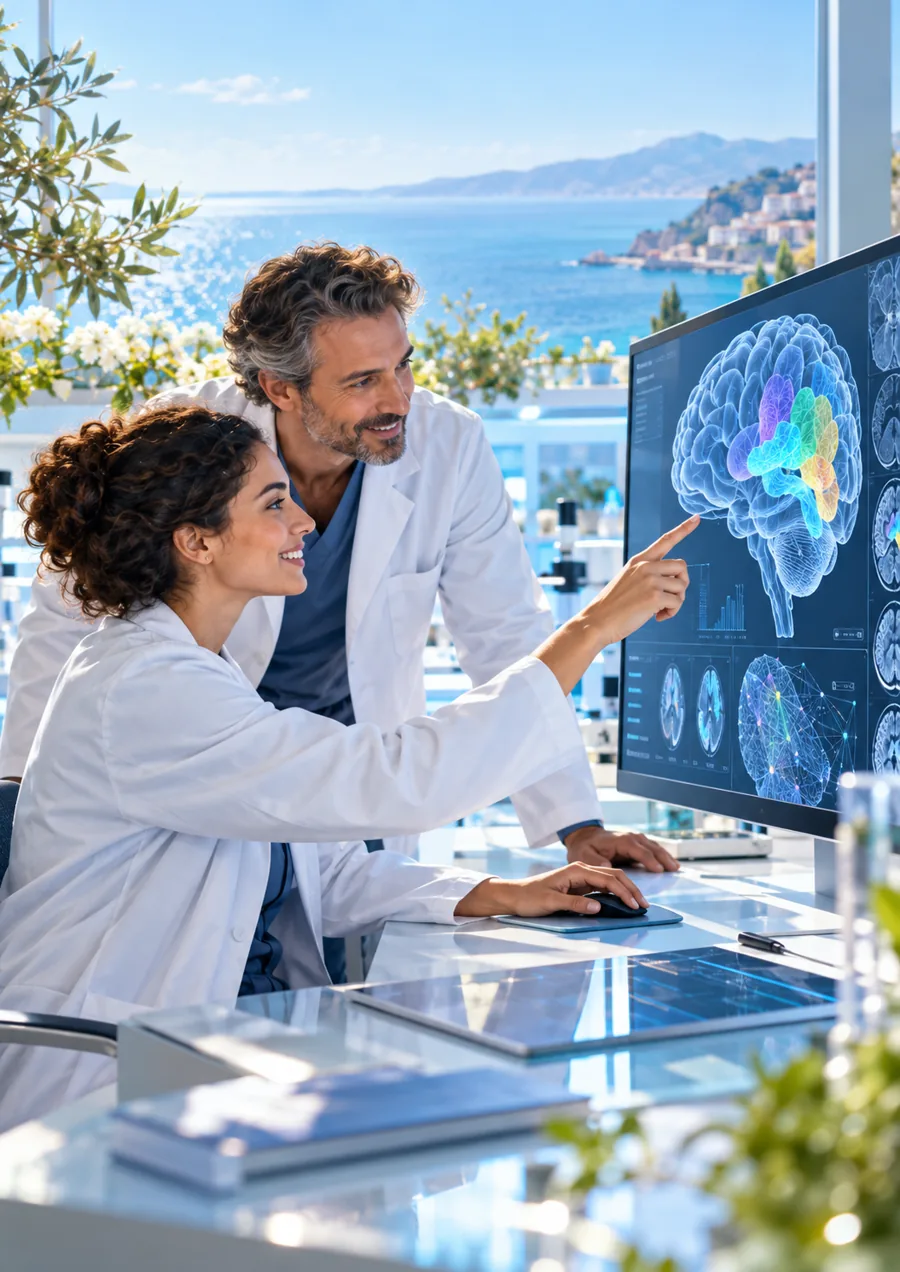
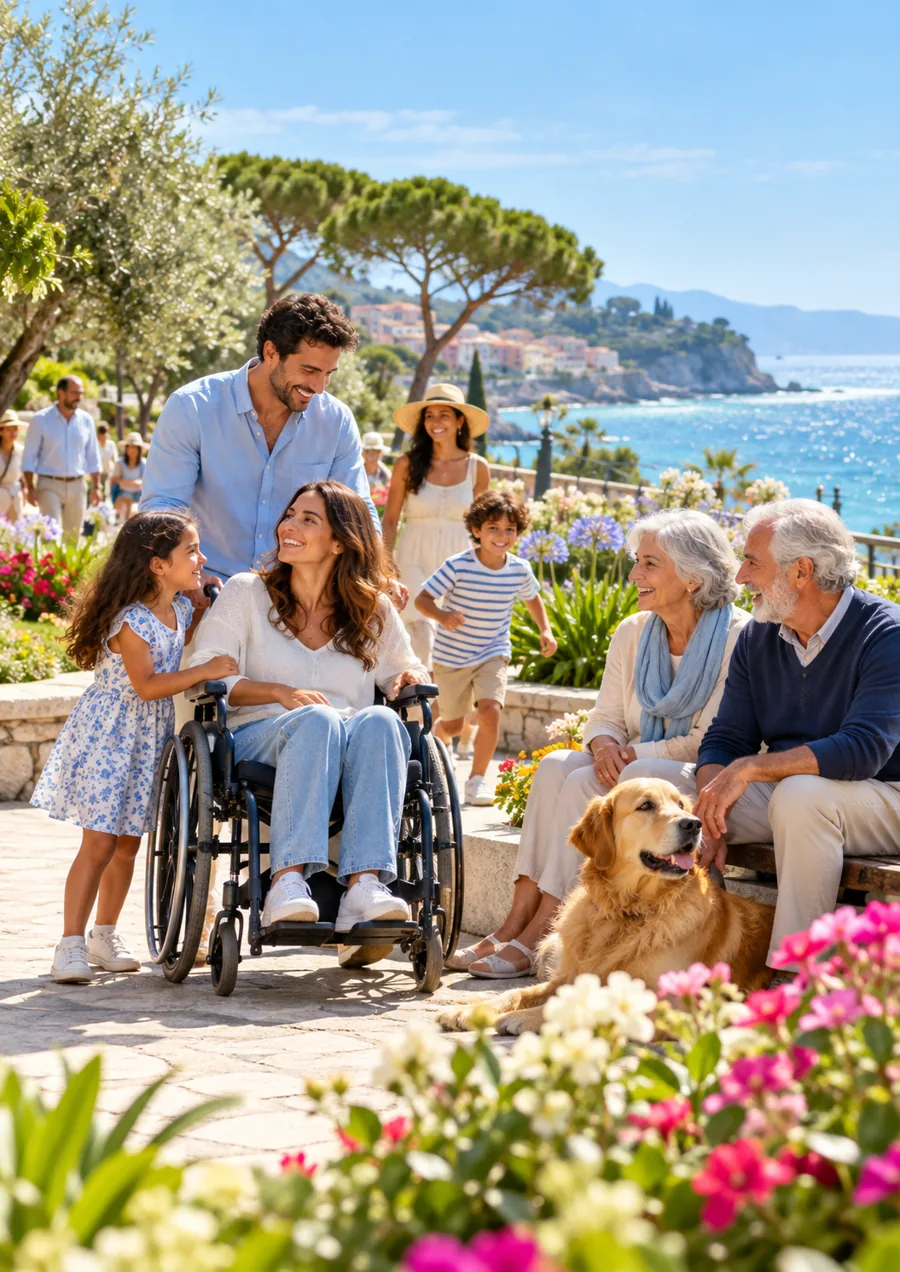
Movement and independence
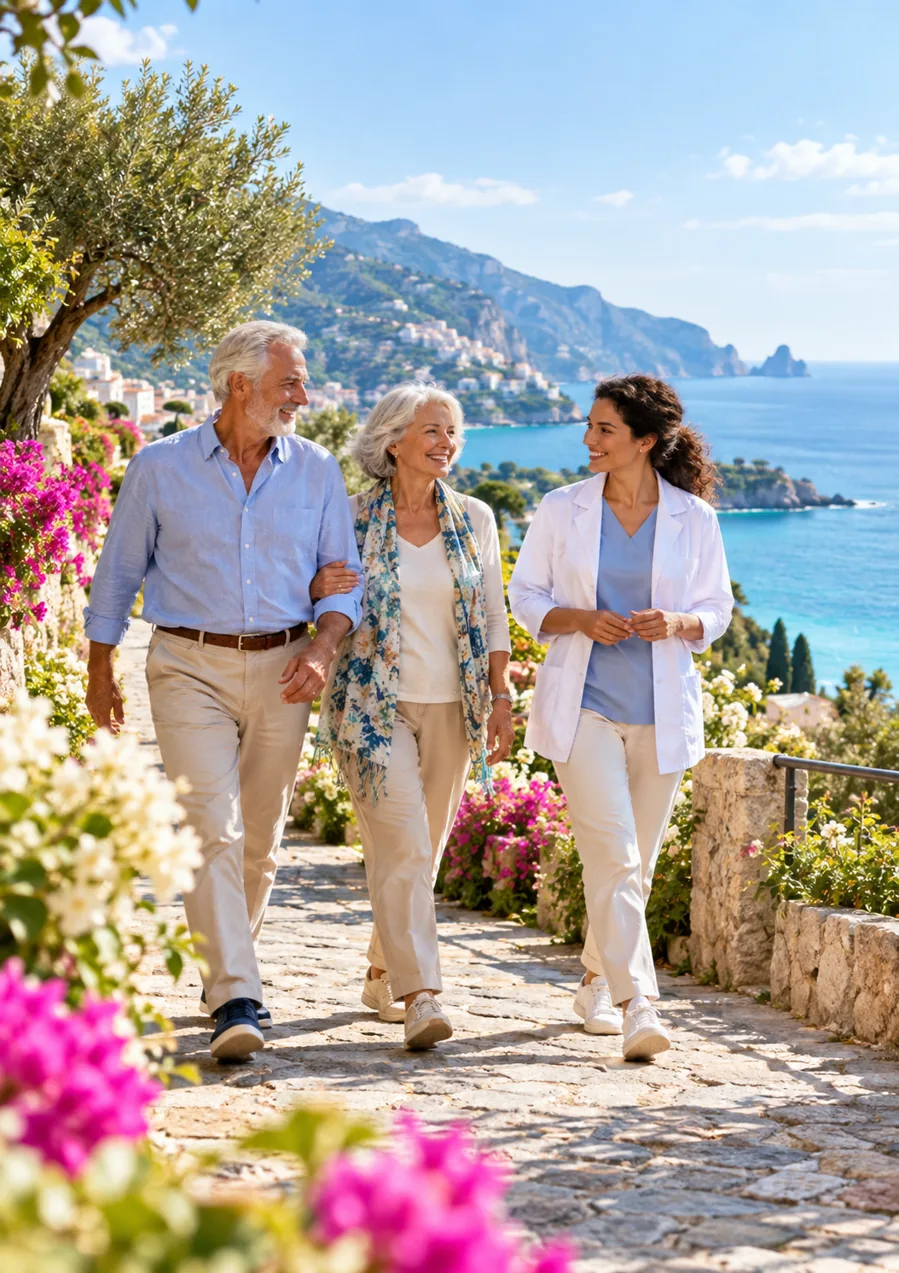
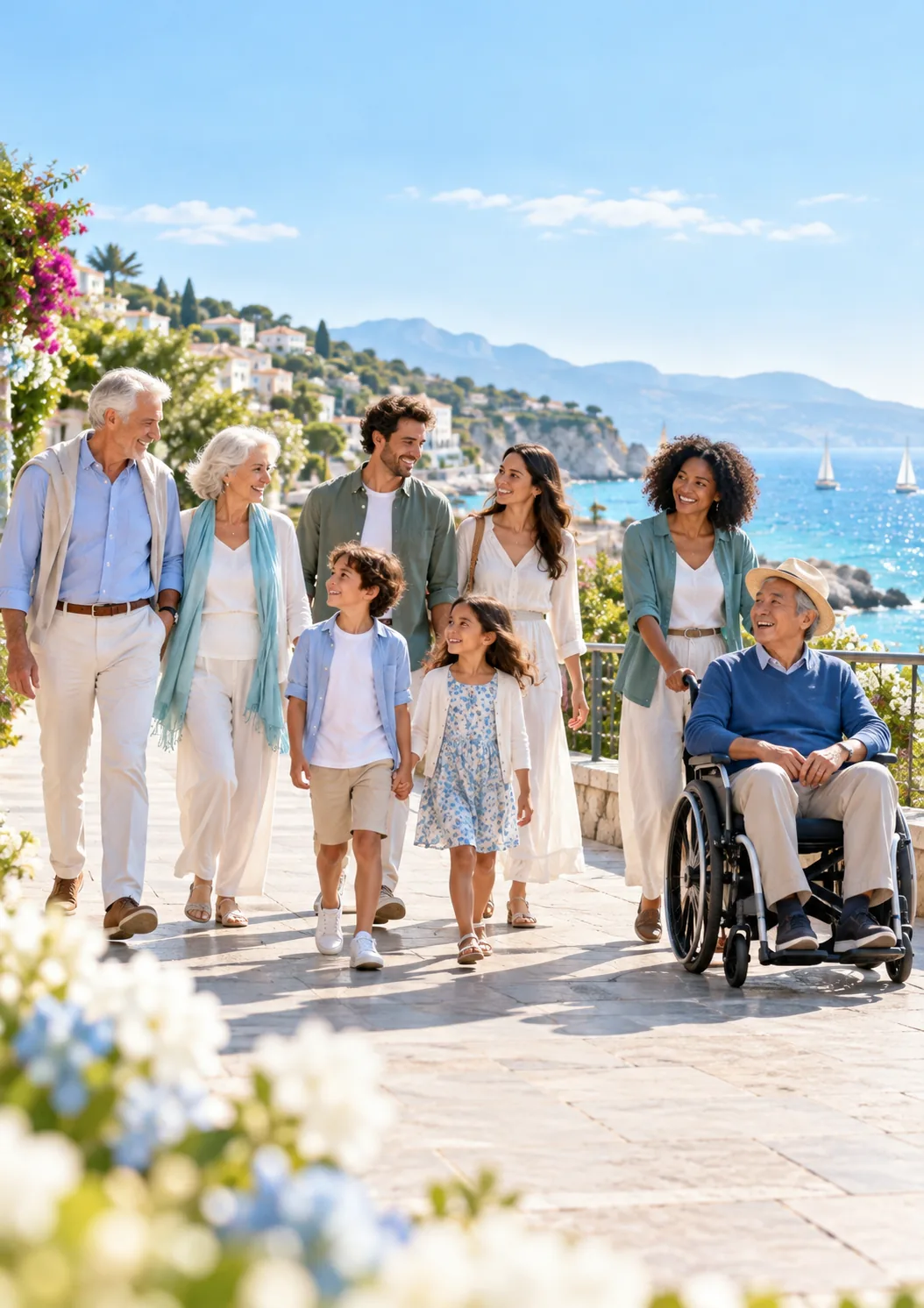
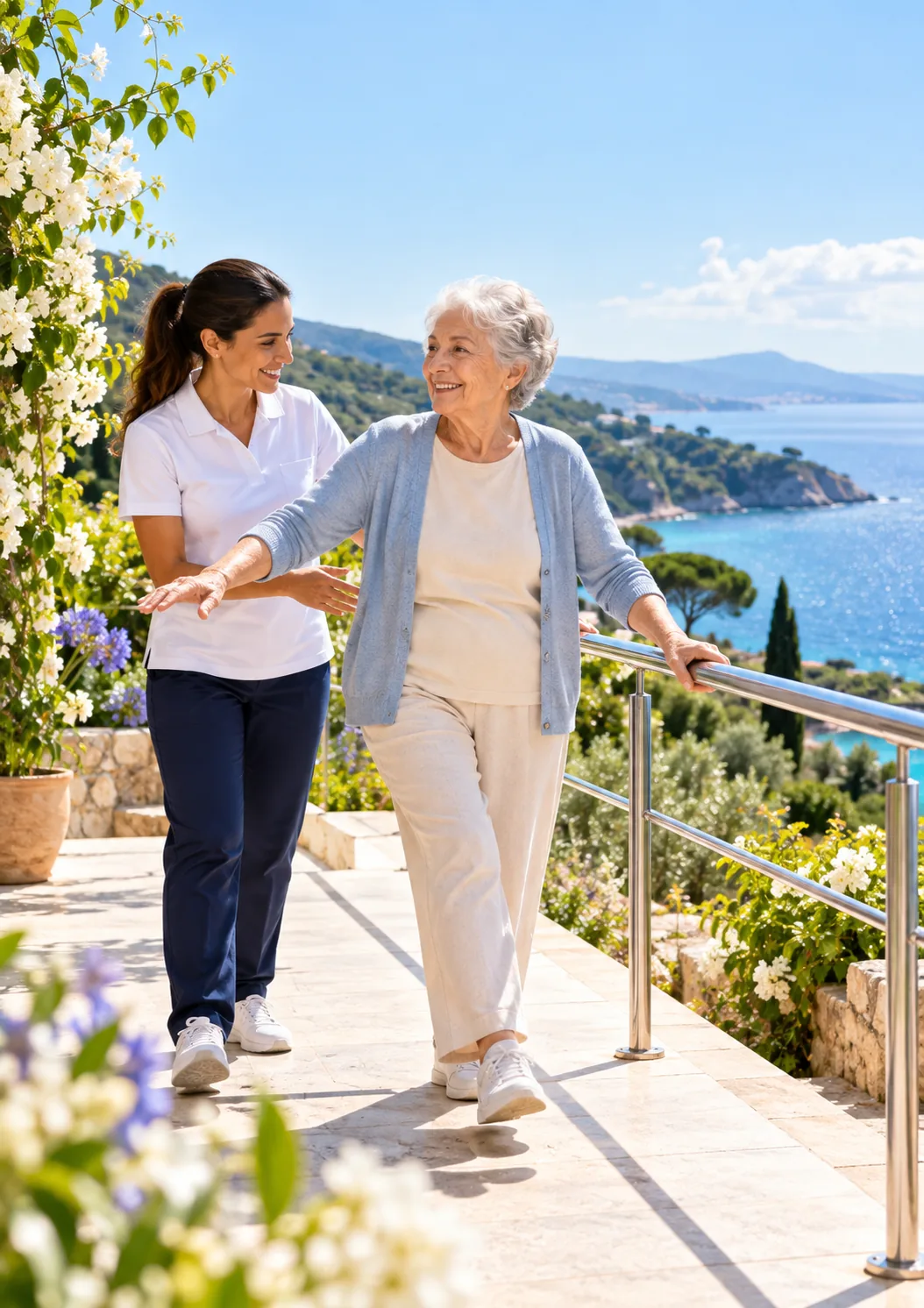
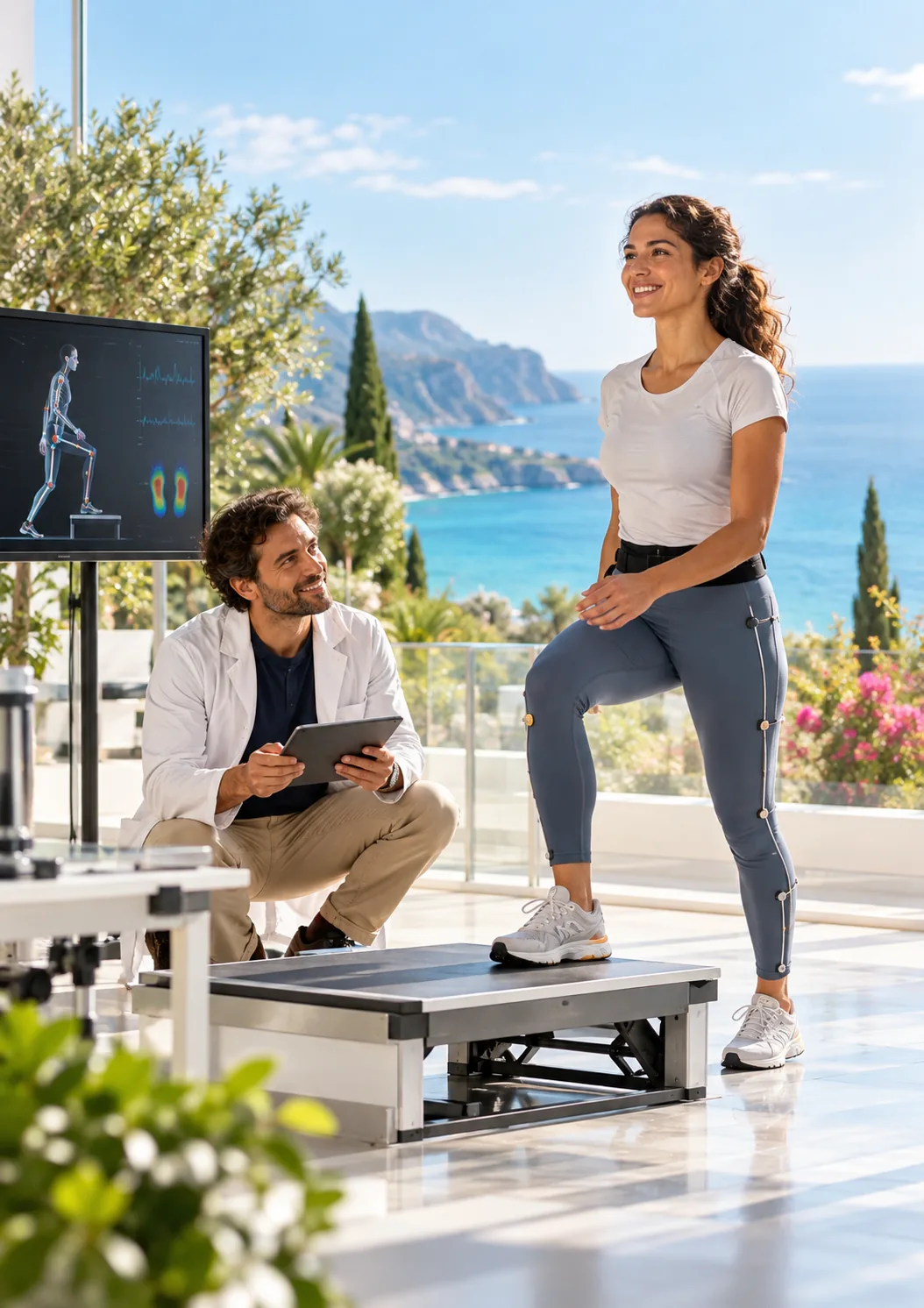
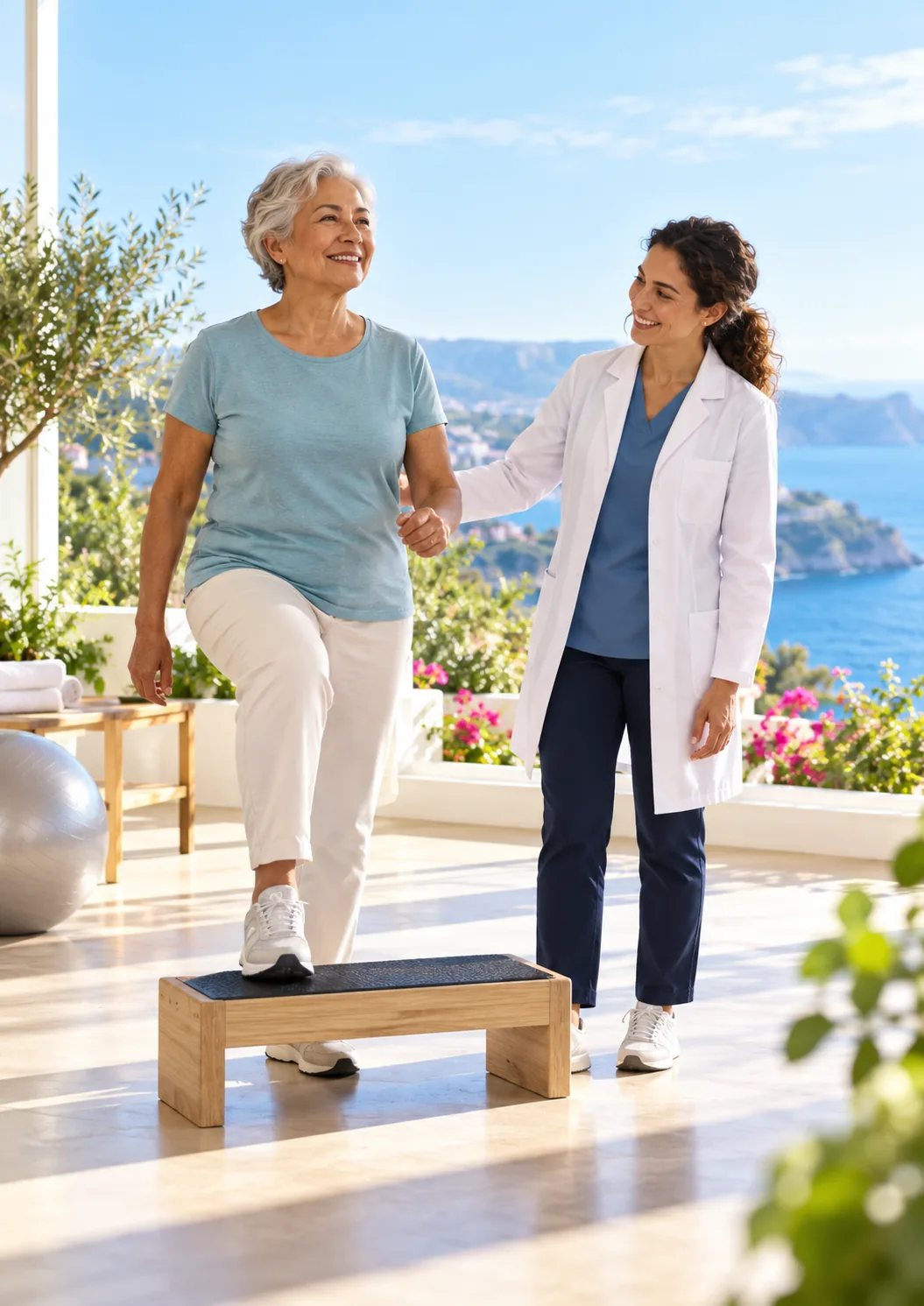
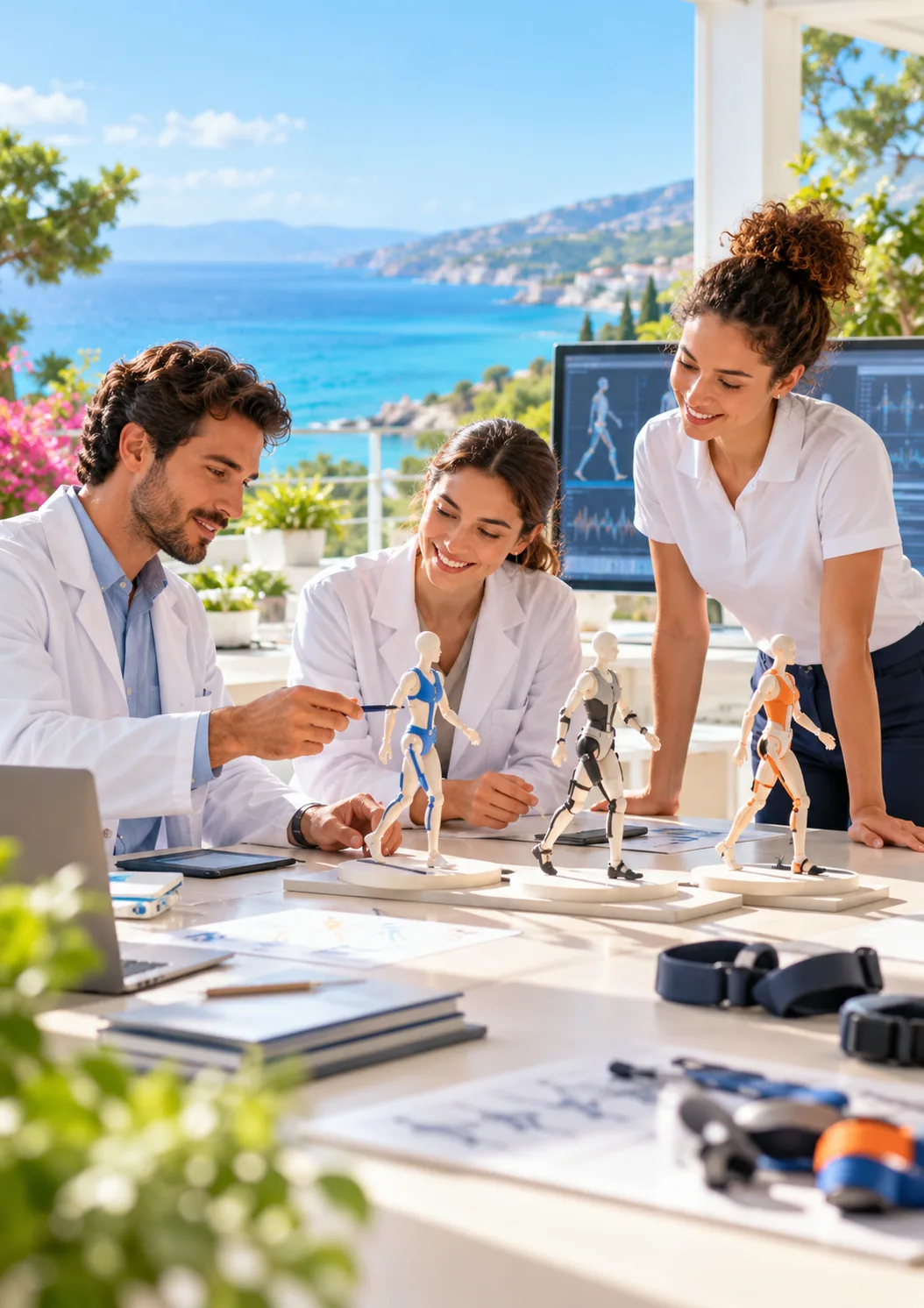
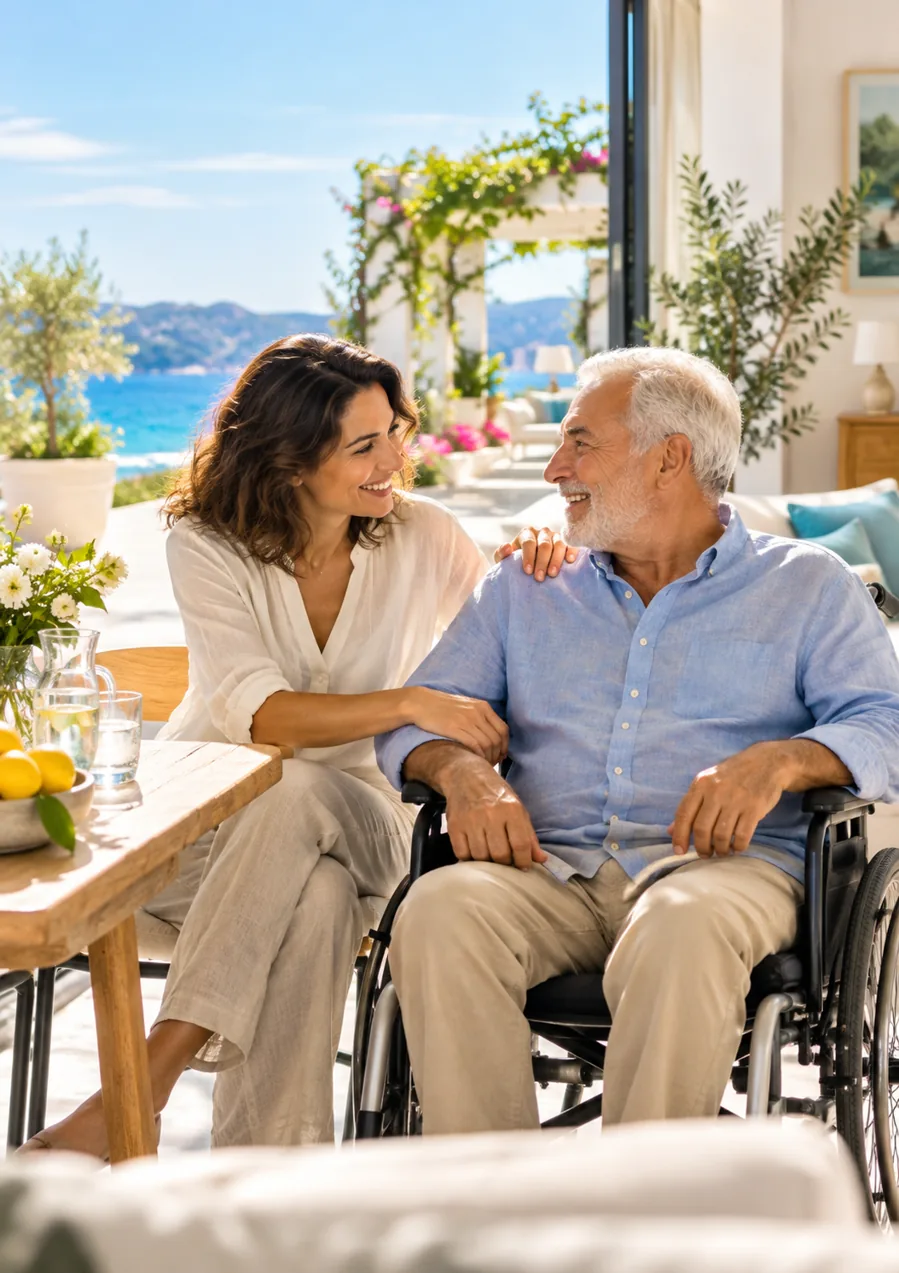
Walking with confidence
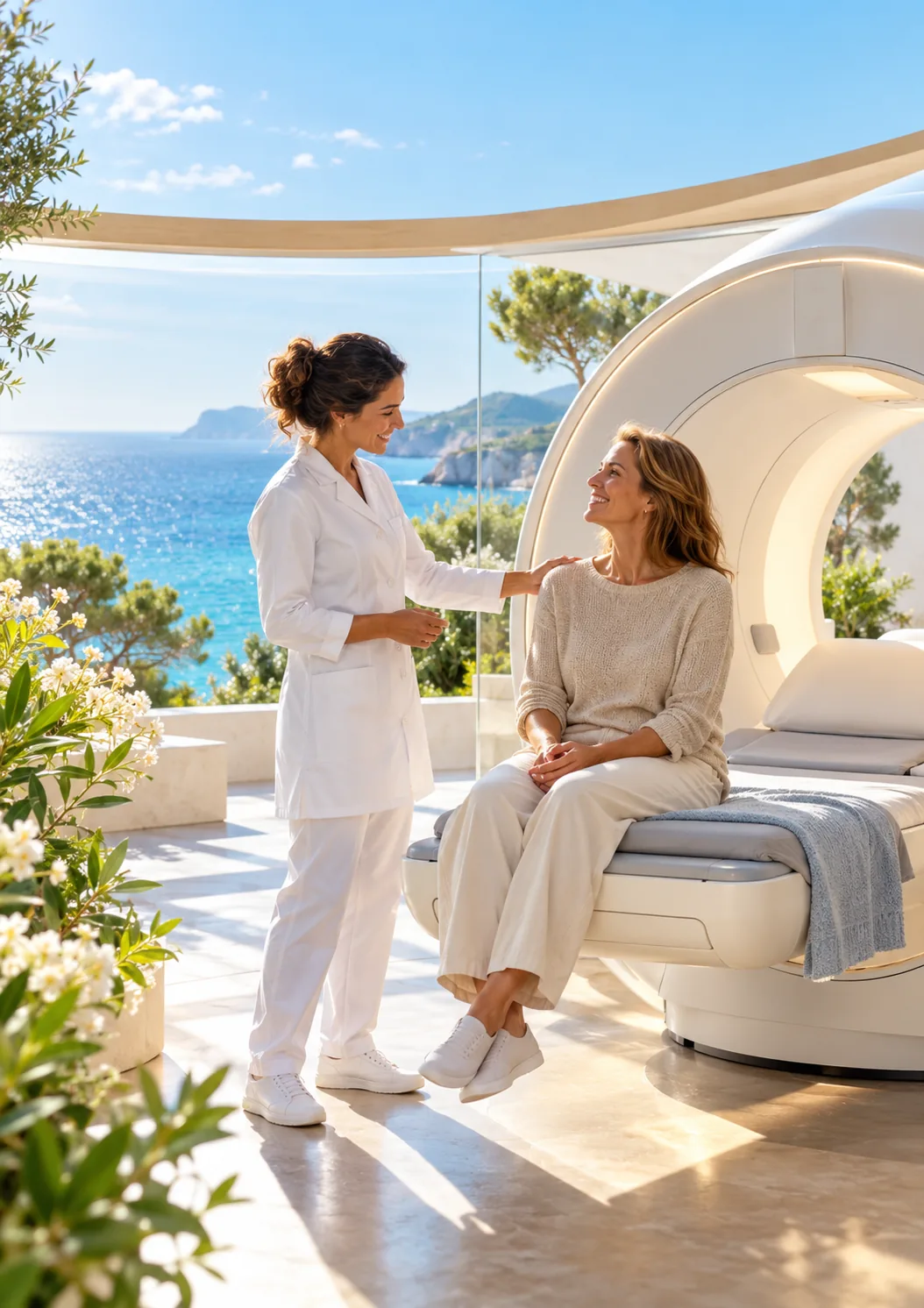
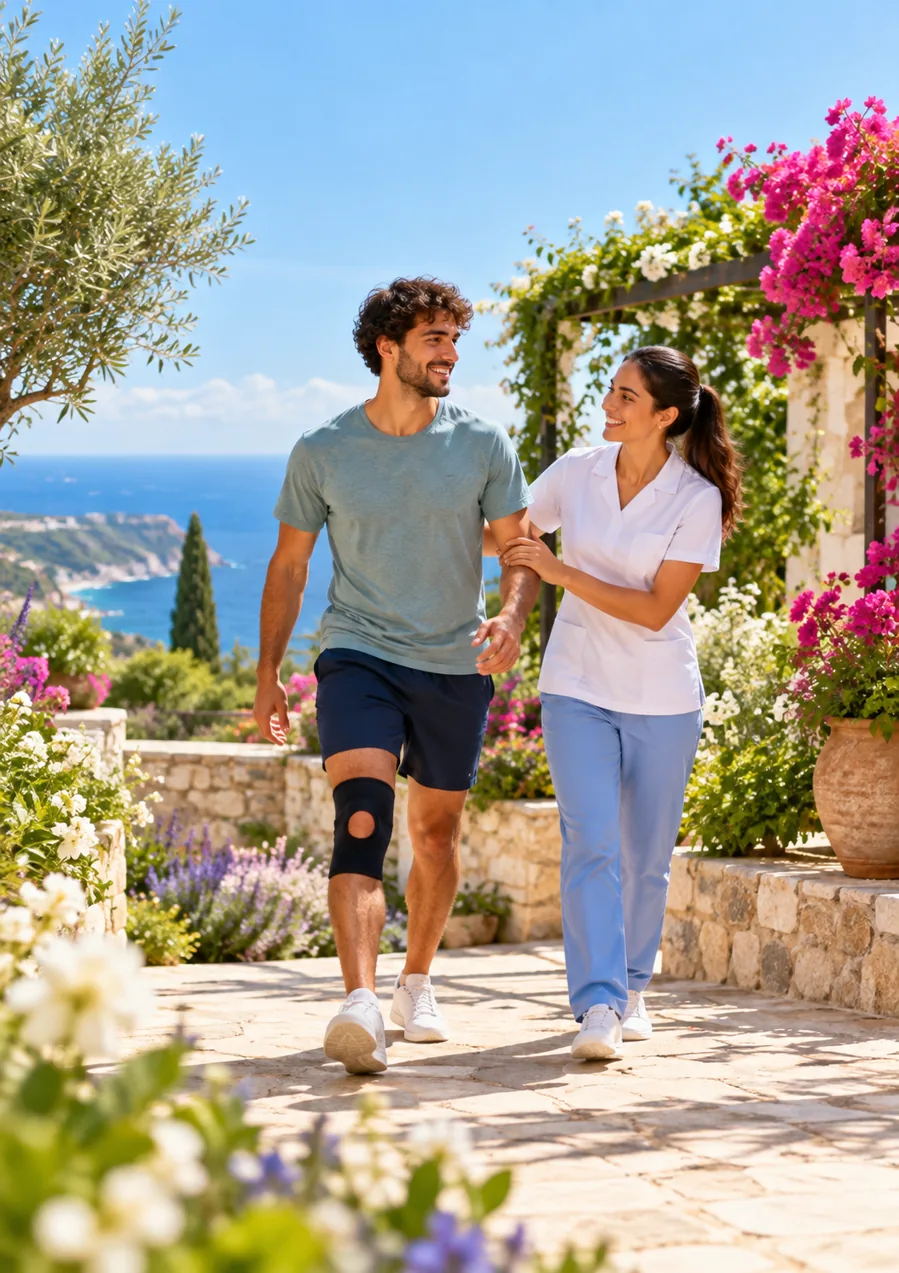
Movement difficulties can limit everyday life.
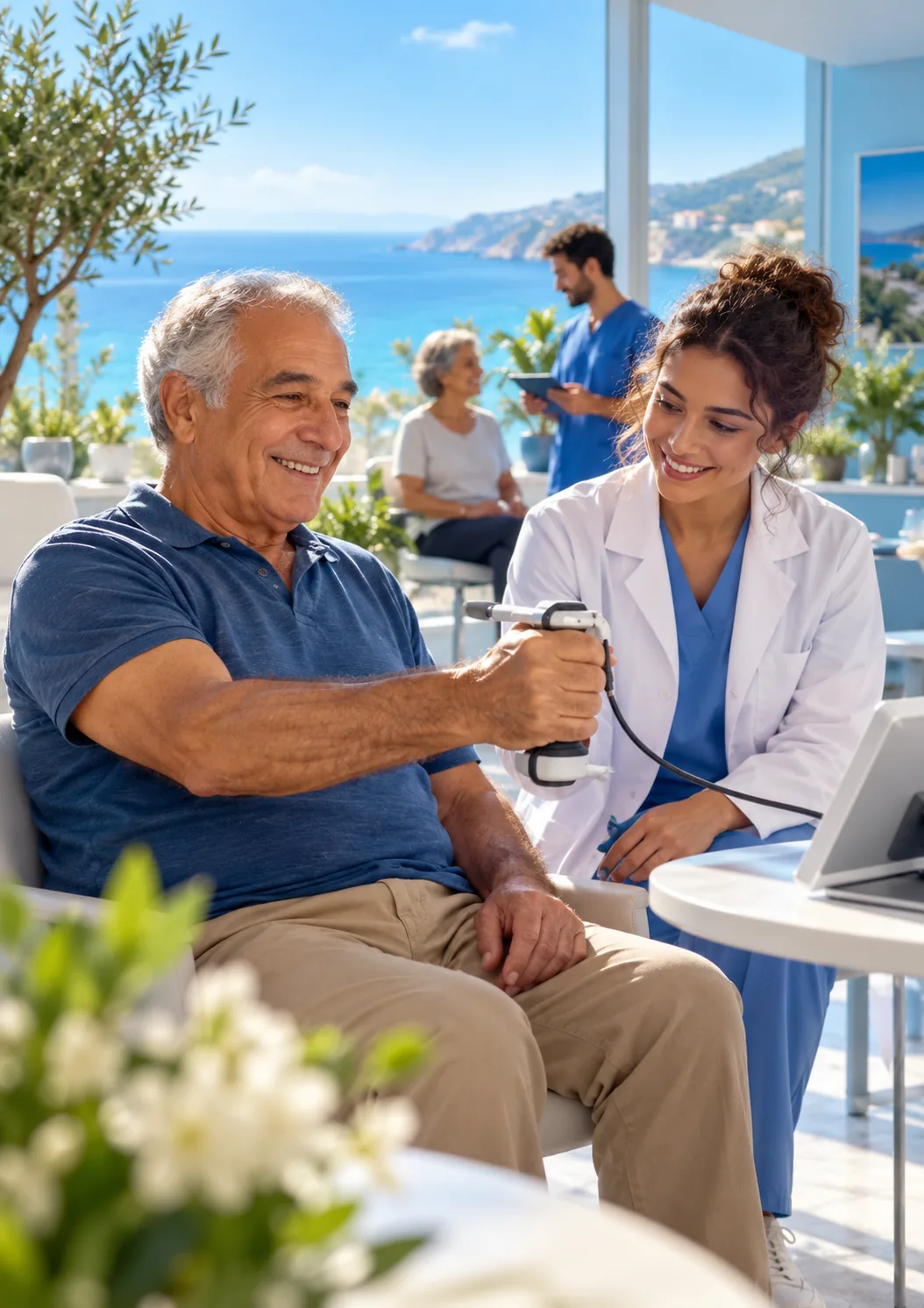
We will study tools to track walking and recovery.
The benefit we seek
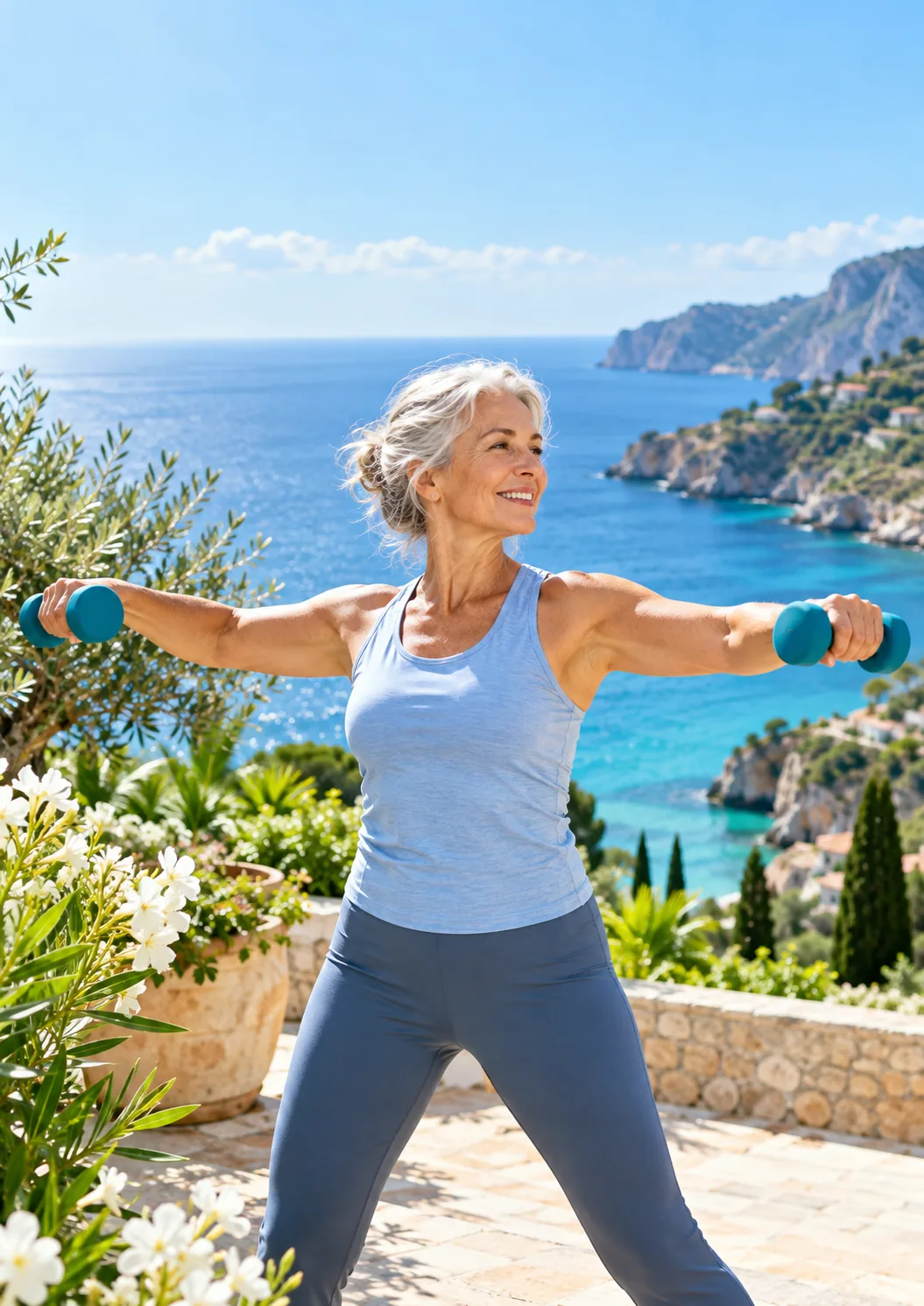
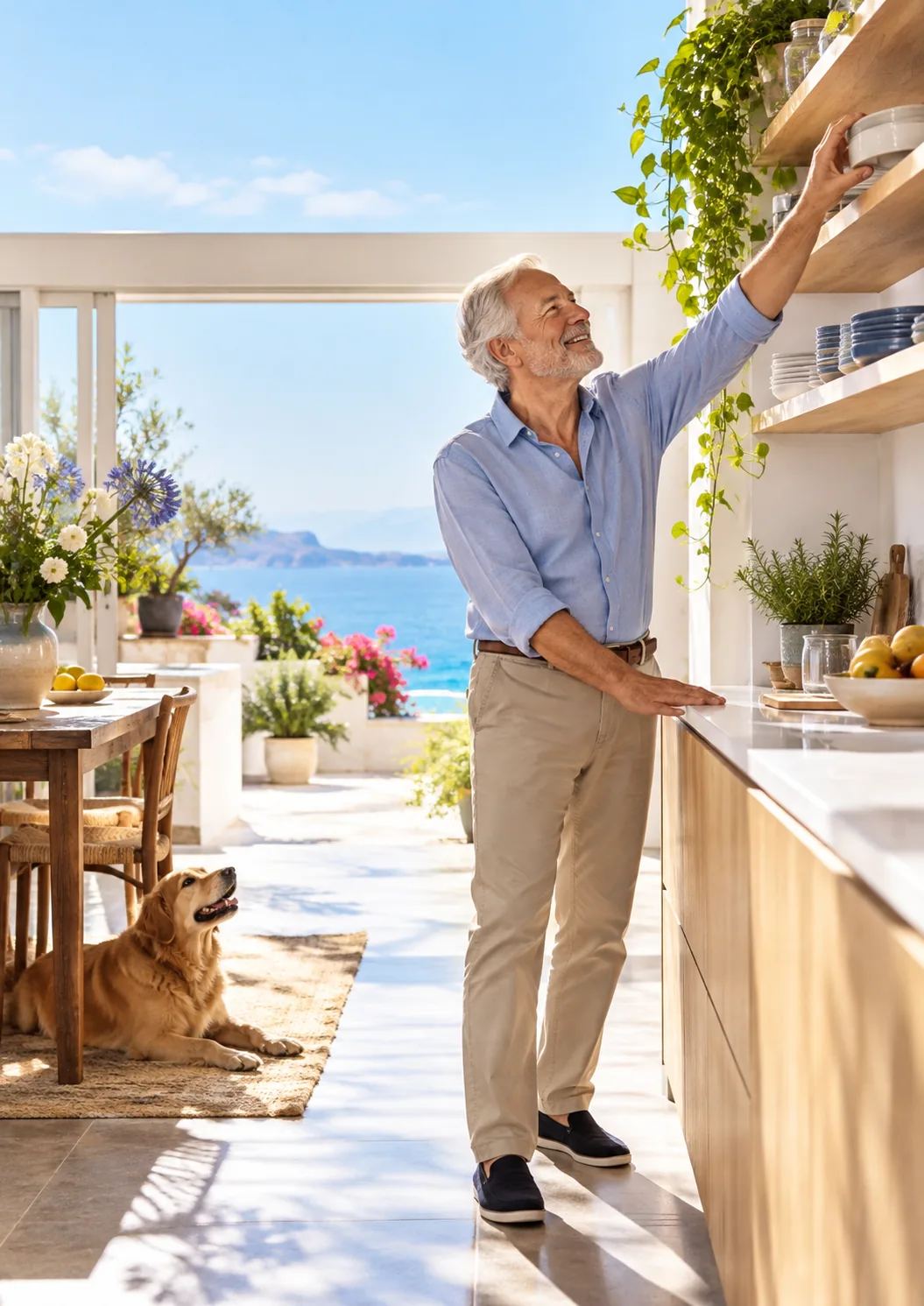
Preserve movement, independence and meaningful everyday activities.
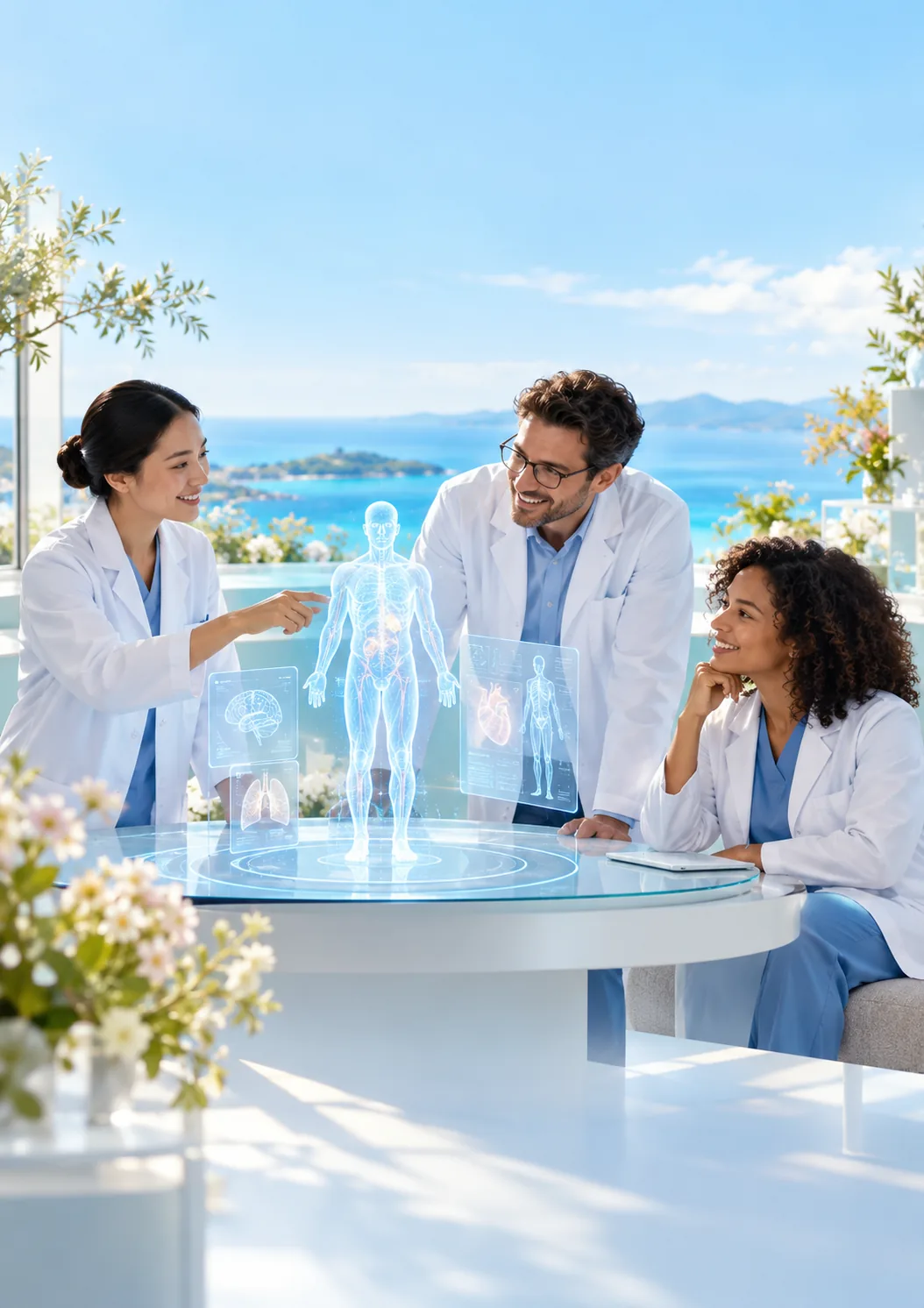
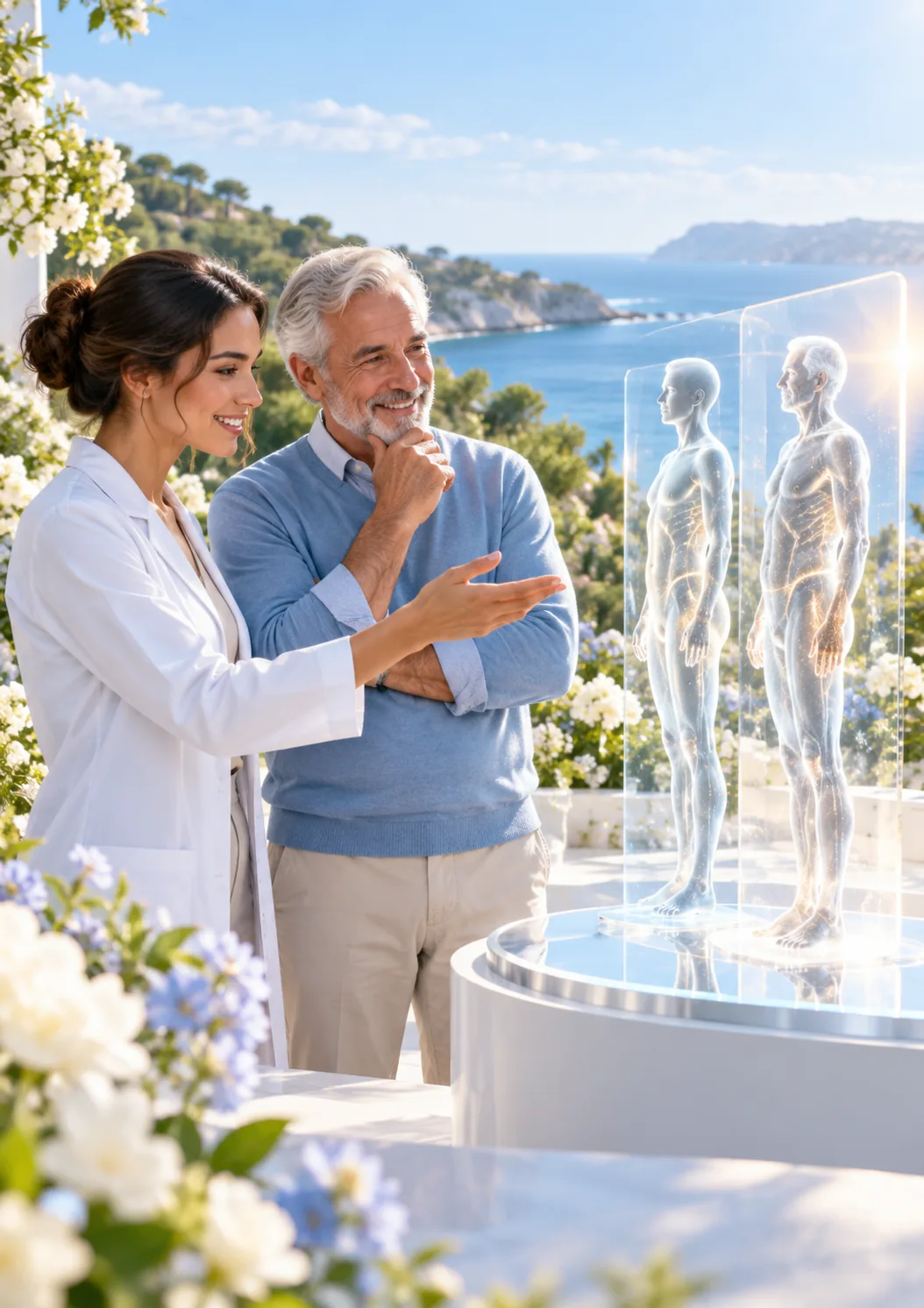
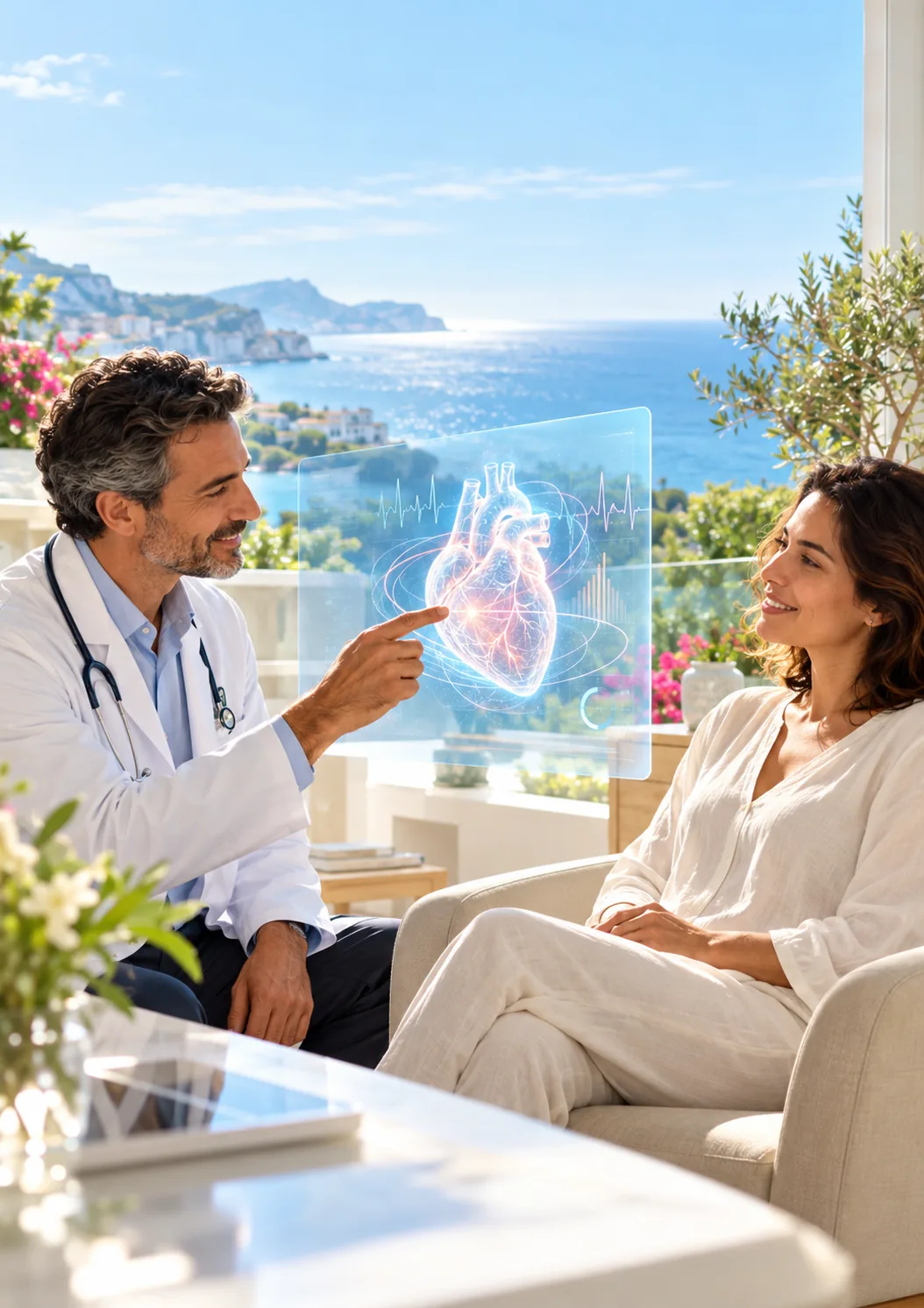
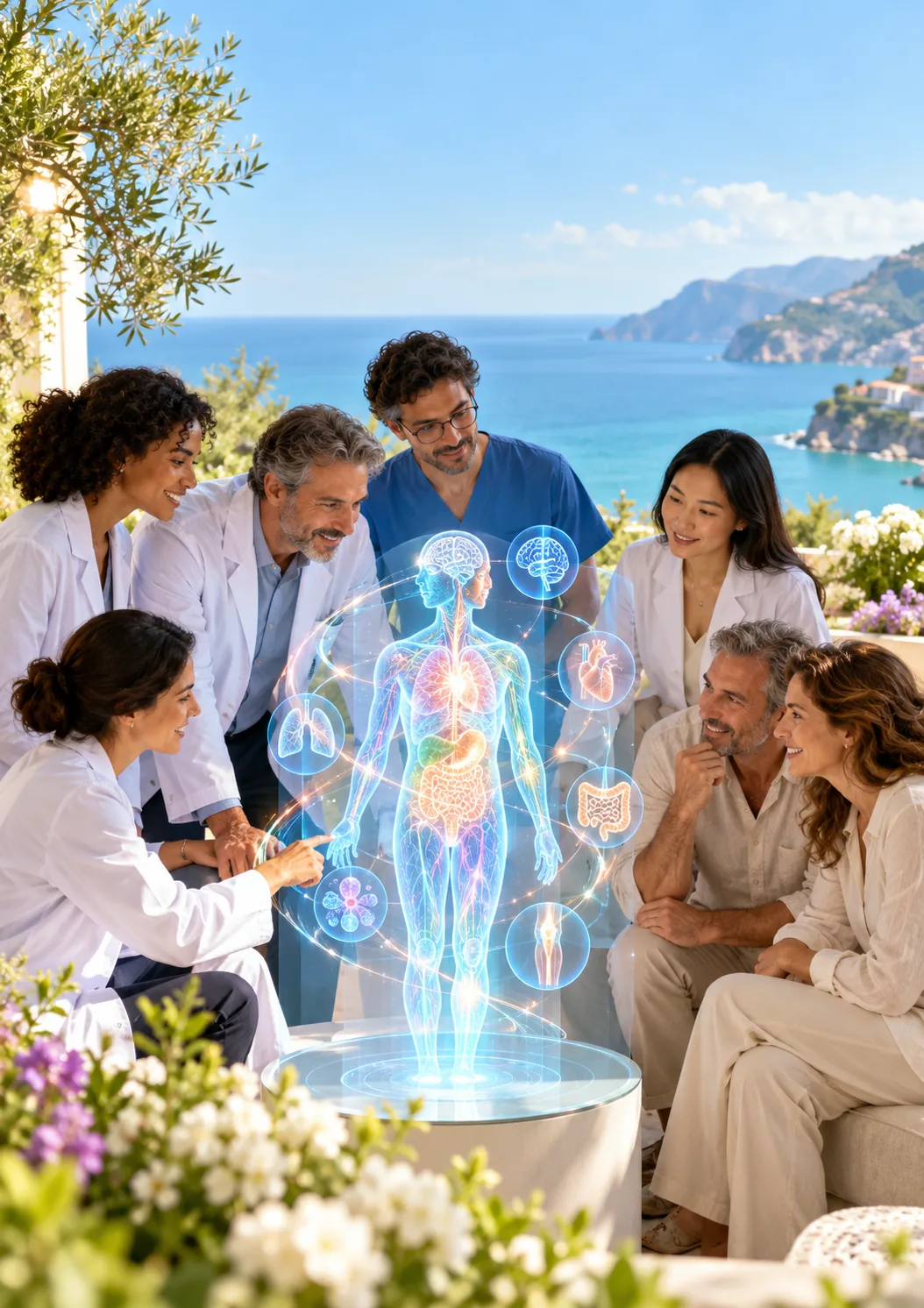
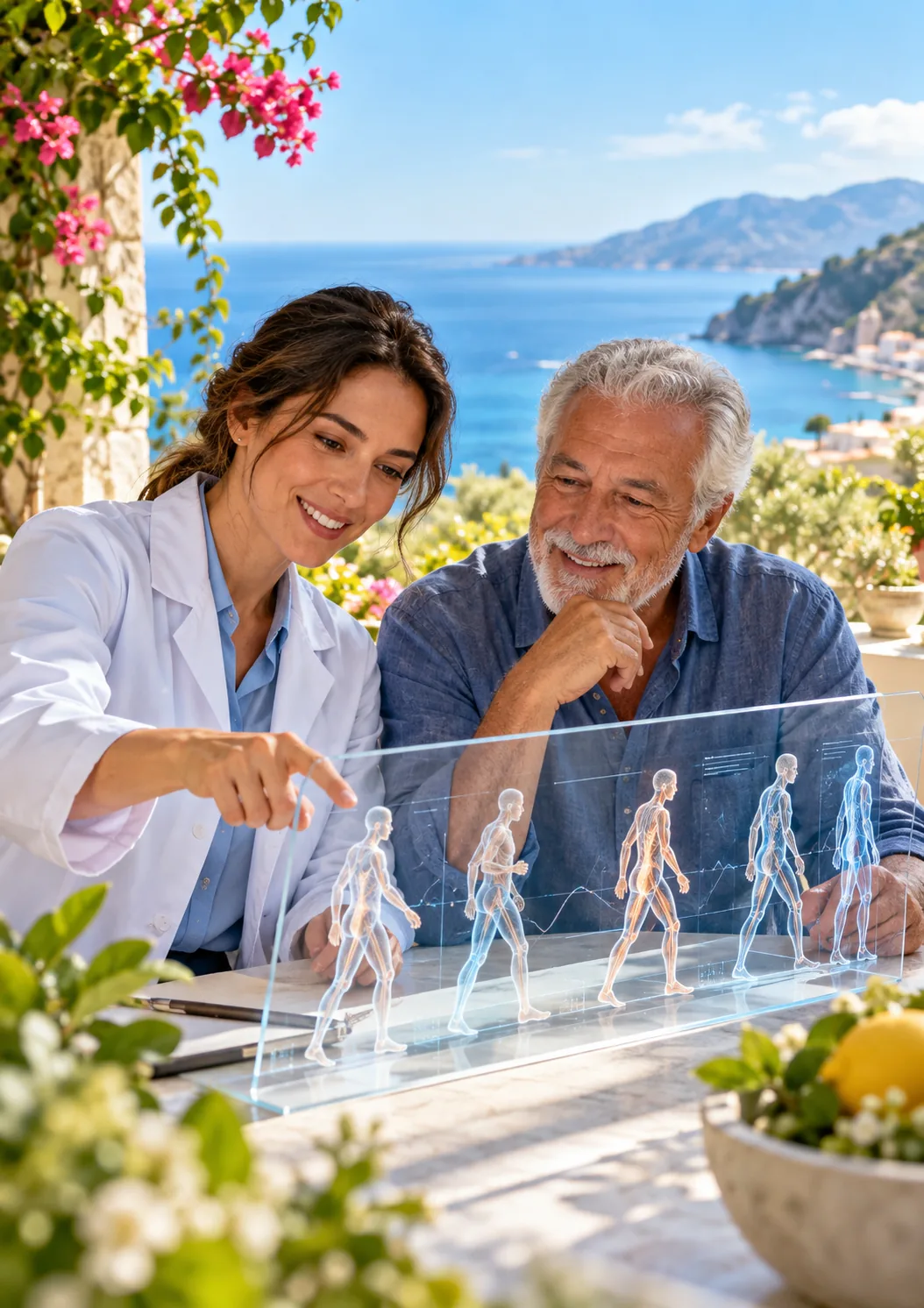
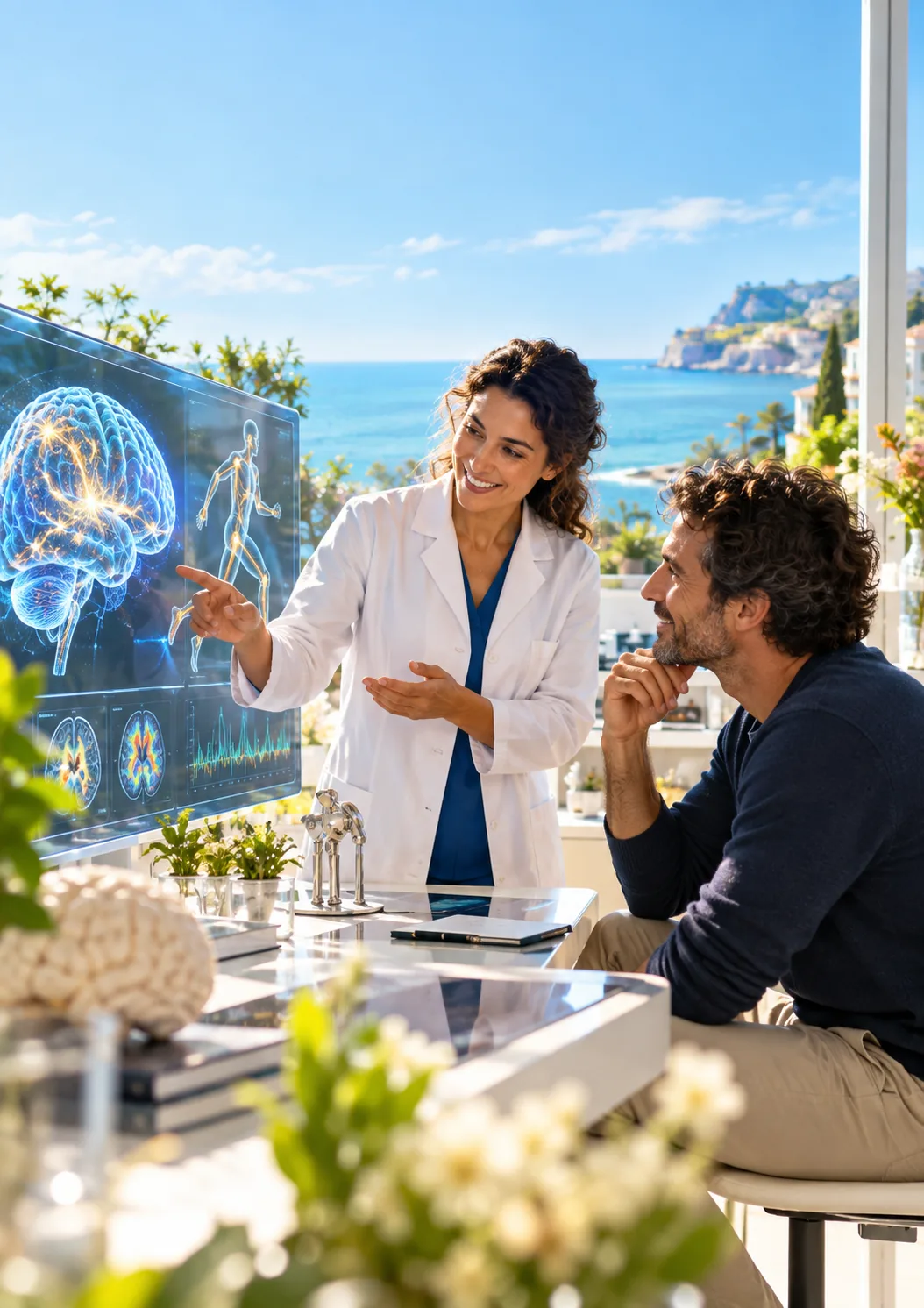
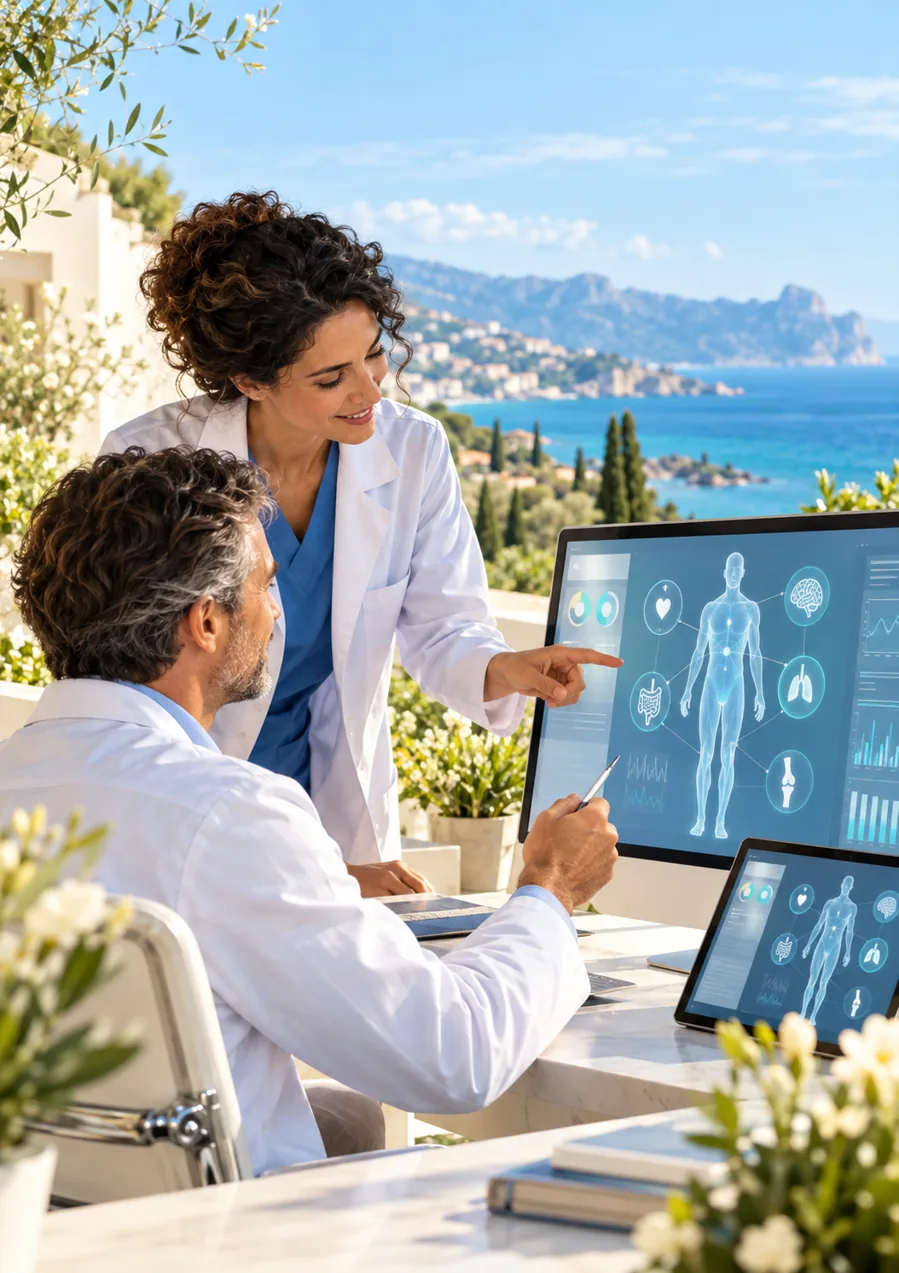
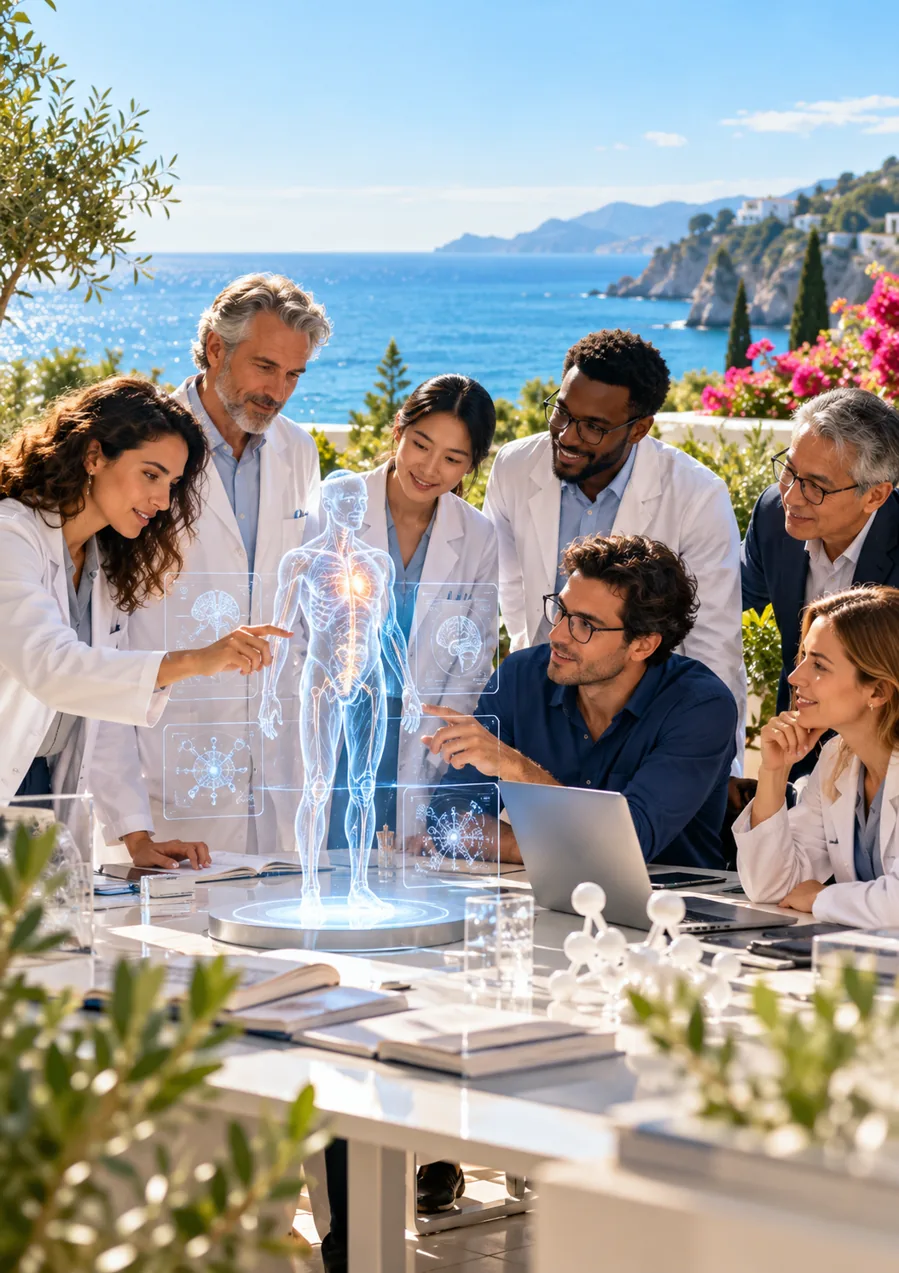
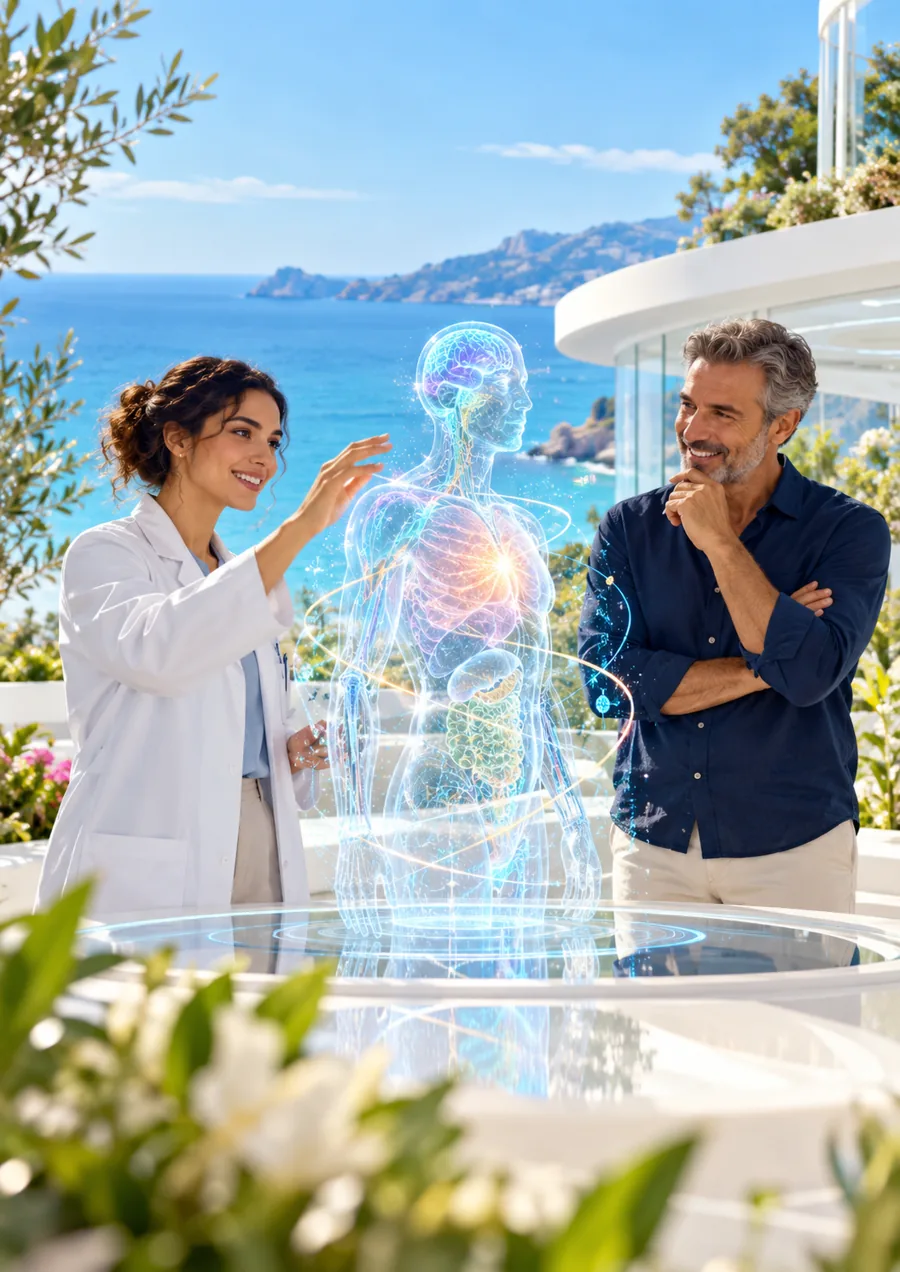
Connect images and measurements. Follow changes. Study more personalised interventions: this is the purpose of the digital twin we aim to develop with AI.
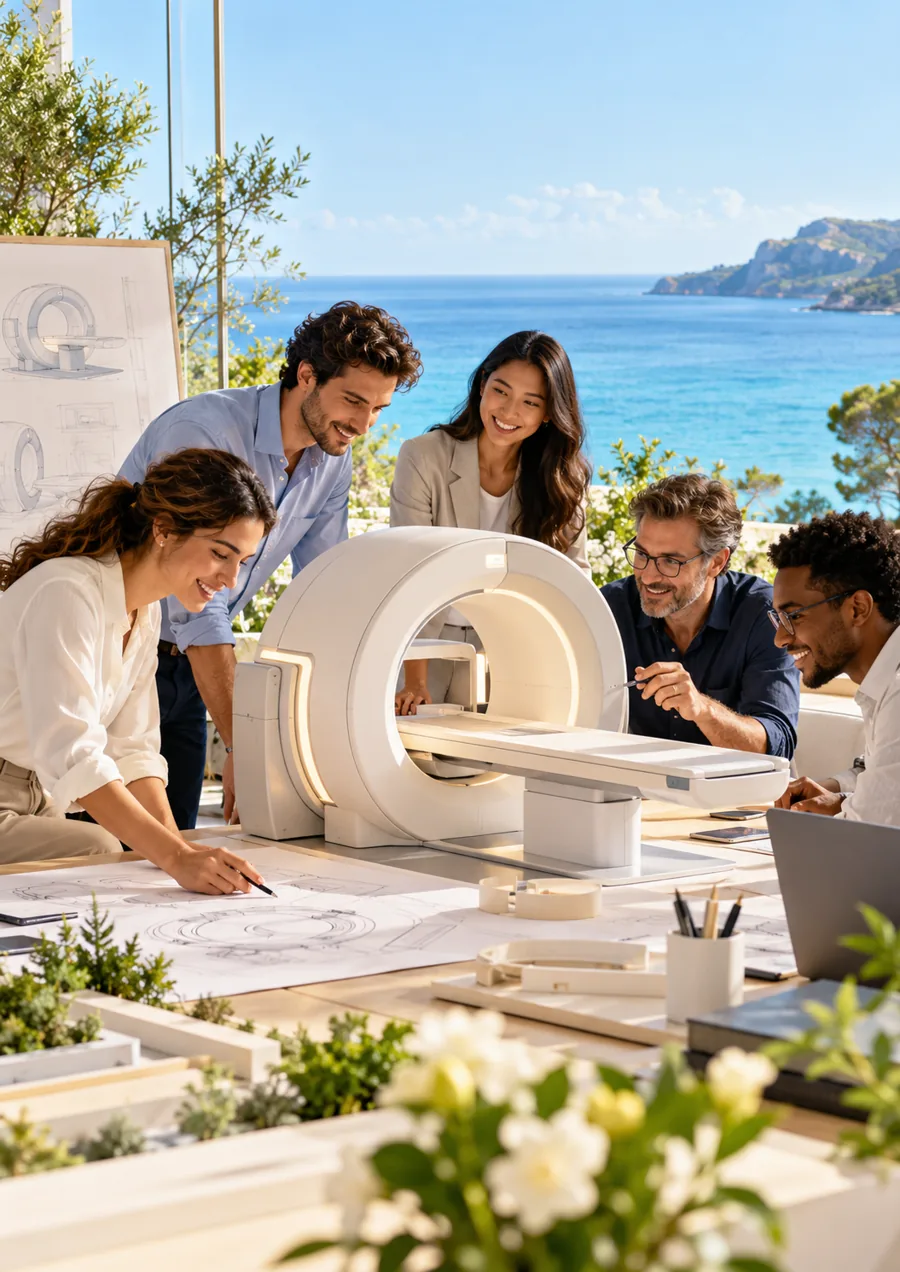
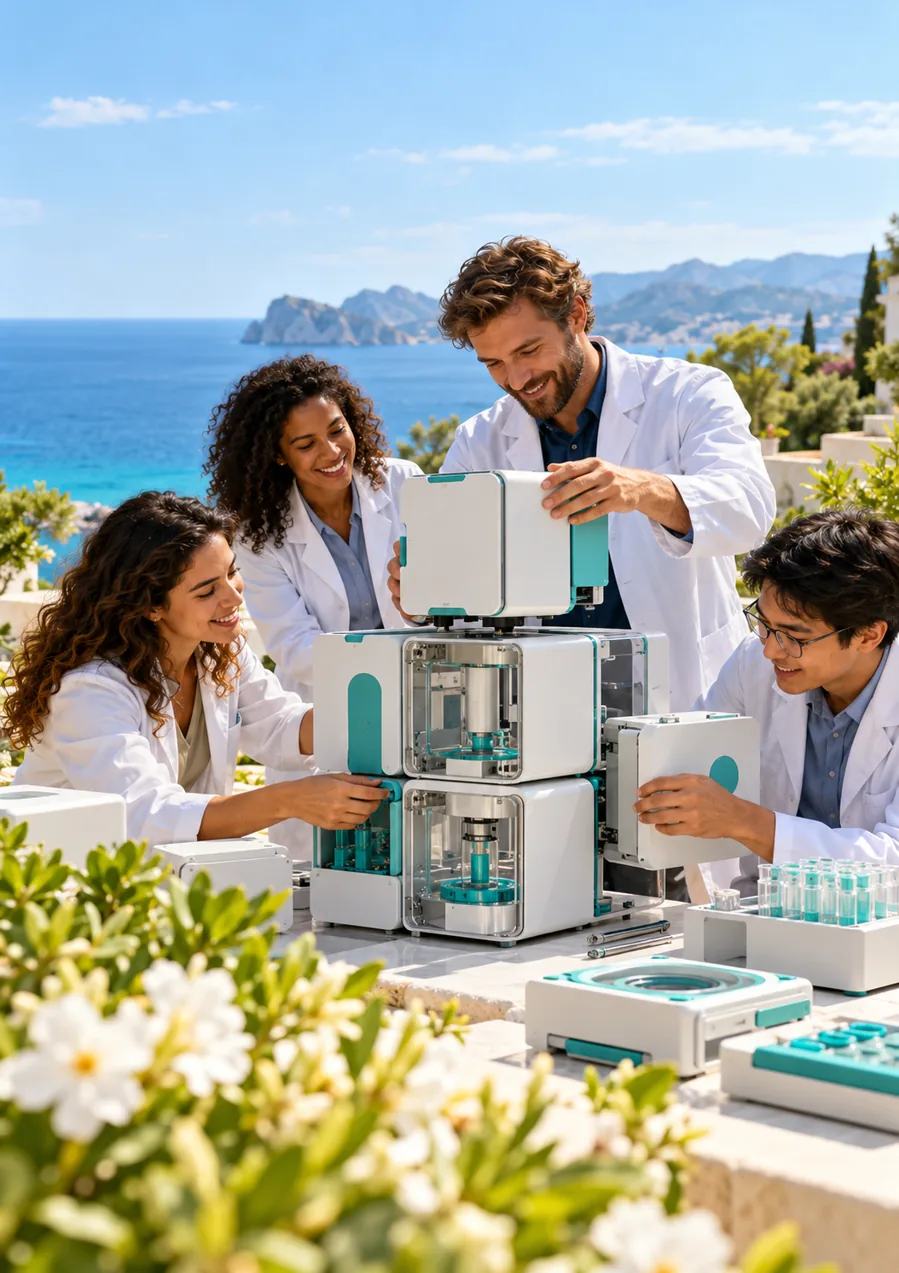
The first milestone to support is a reproducible software demonstrator: development, measurement checks and model comparisons. This will provide a basis for designing a prototype and working towards discussions with researchers and manufacturers.
I want to support the project →A.D.O.S. INTERNATIONAL · HEALTH
More independence. Less suffering. More possibilities to build through research. Together.
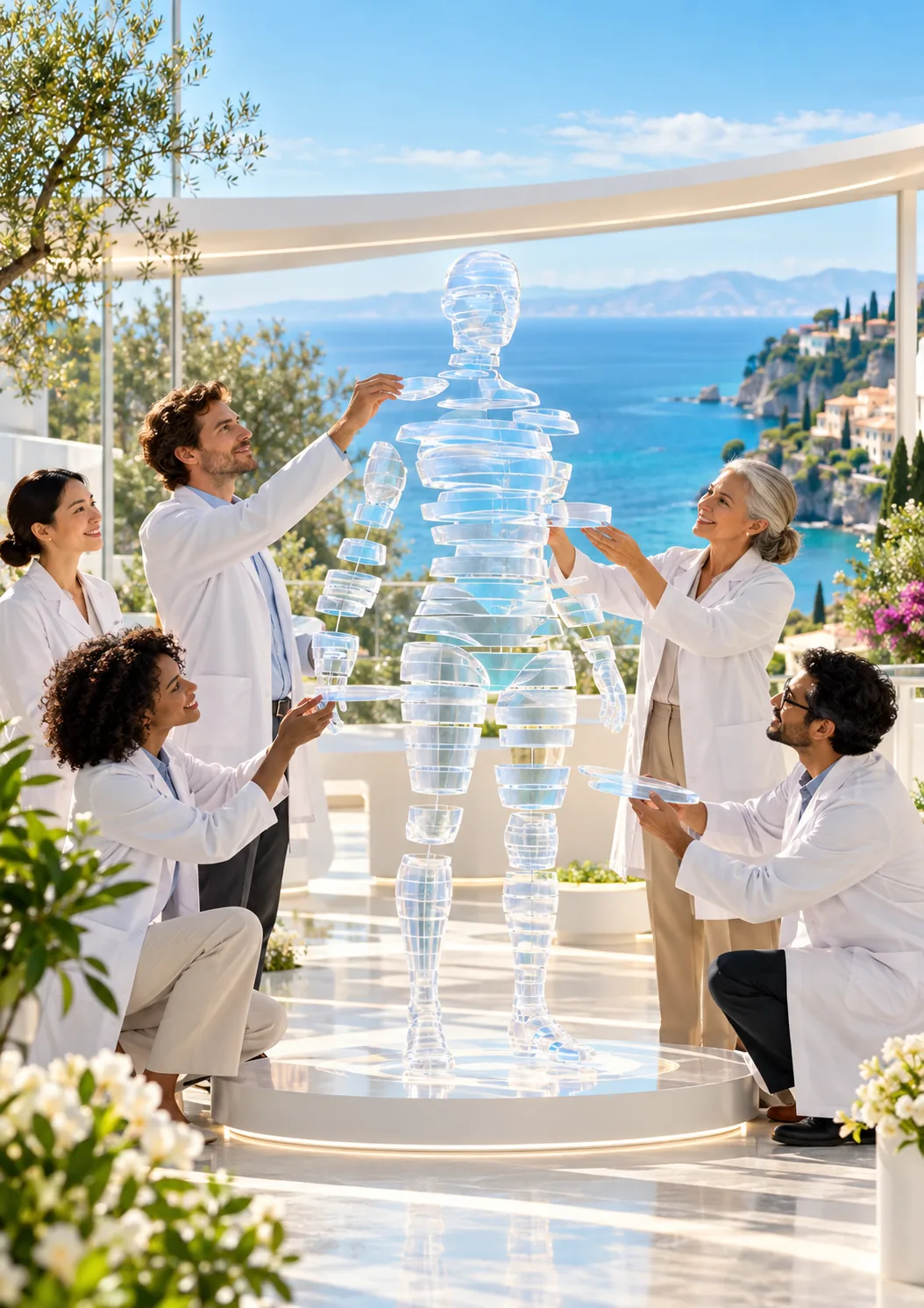
A.D.O.S. INTERNATIONAL will promote a personal digital twin and a research institute, to understand the body better and explore new possibilities for prevention and care.
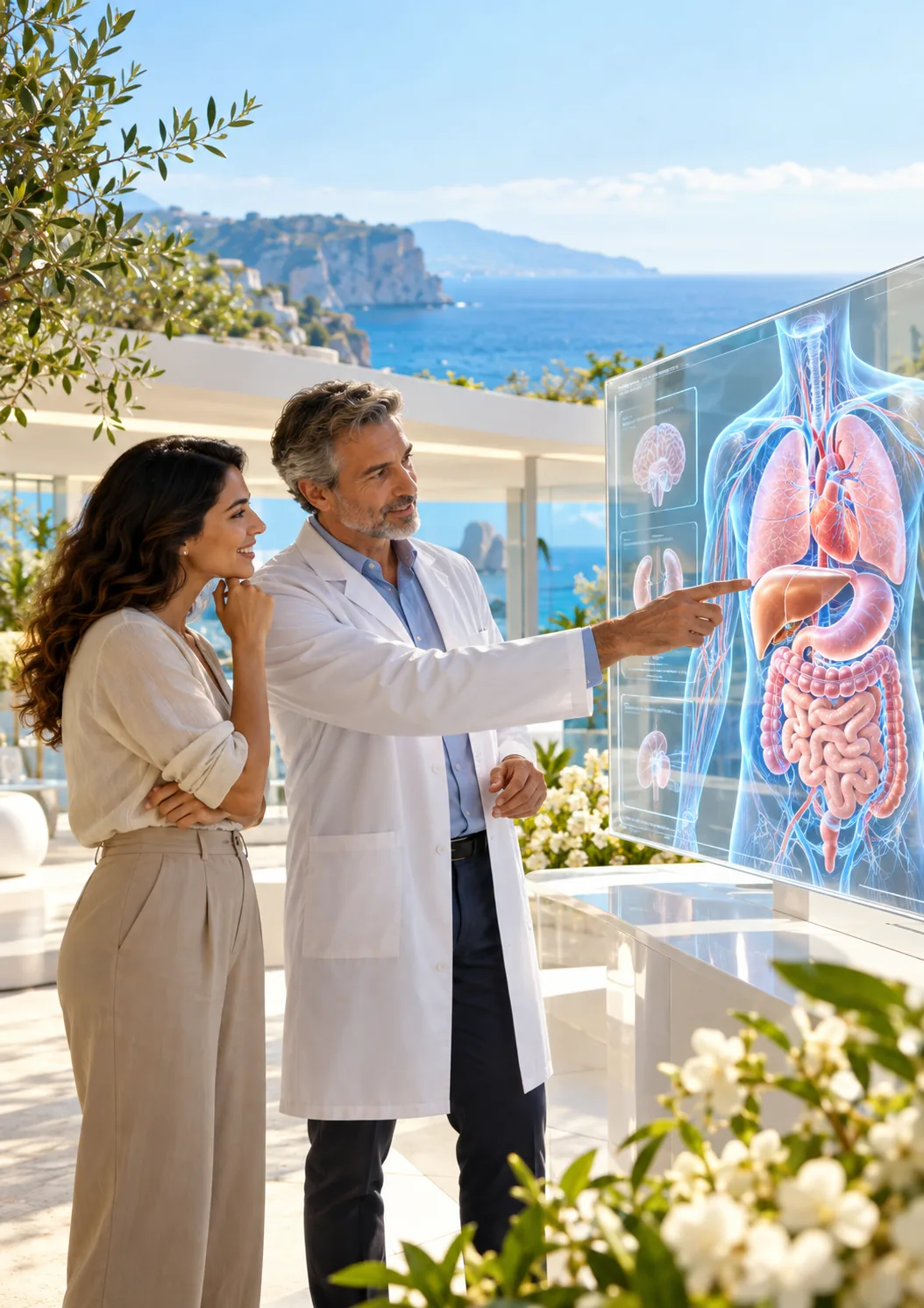
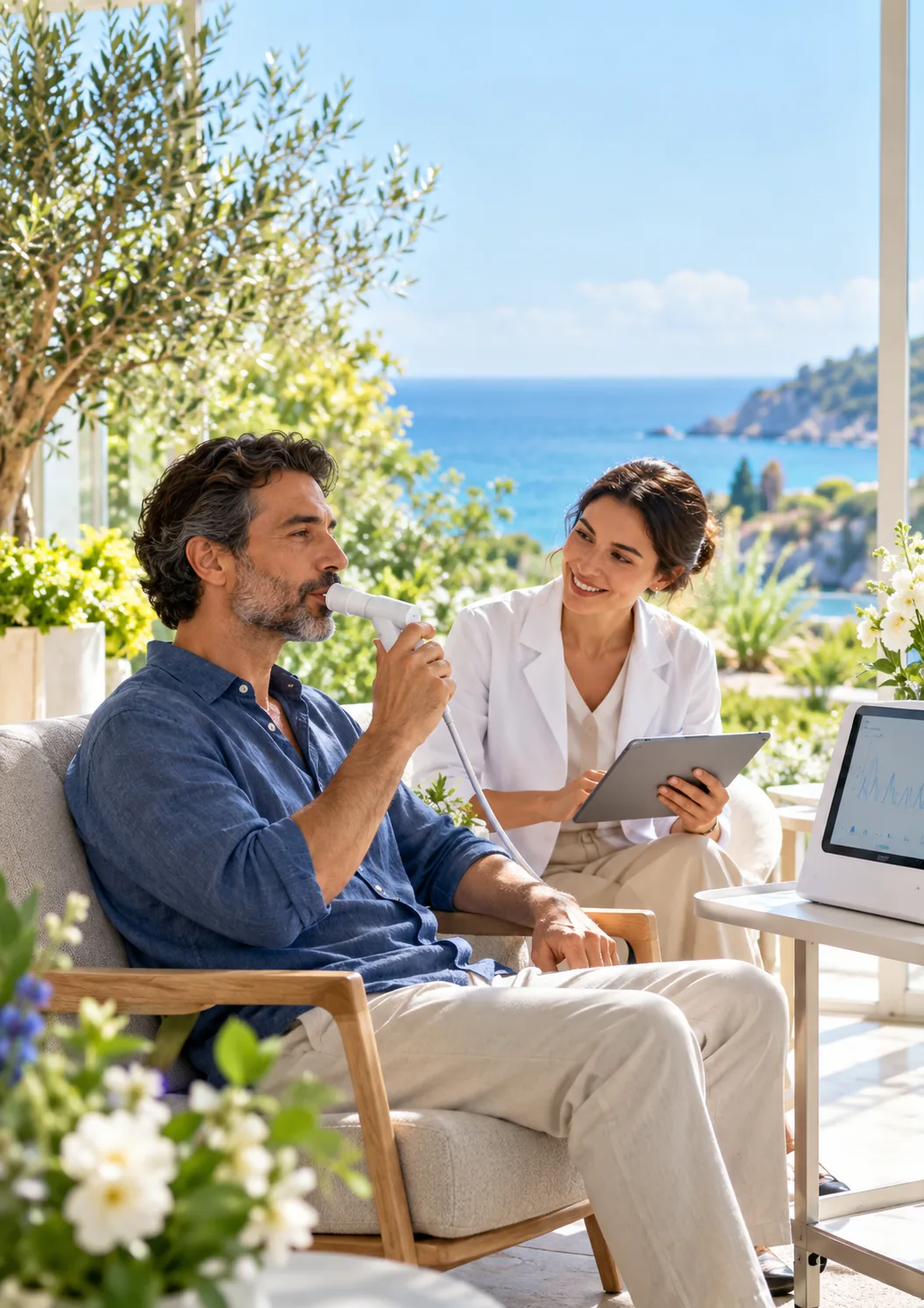
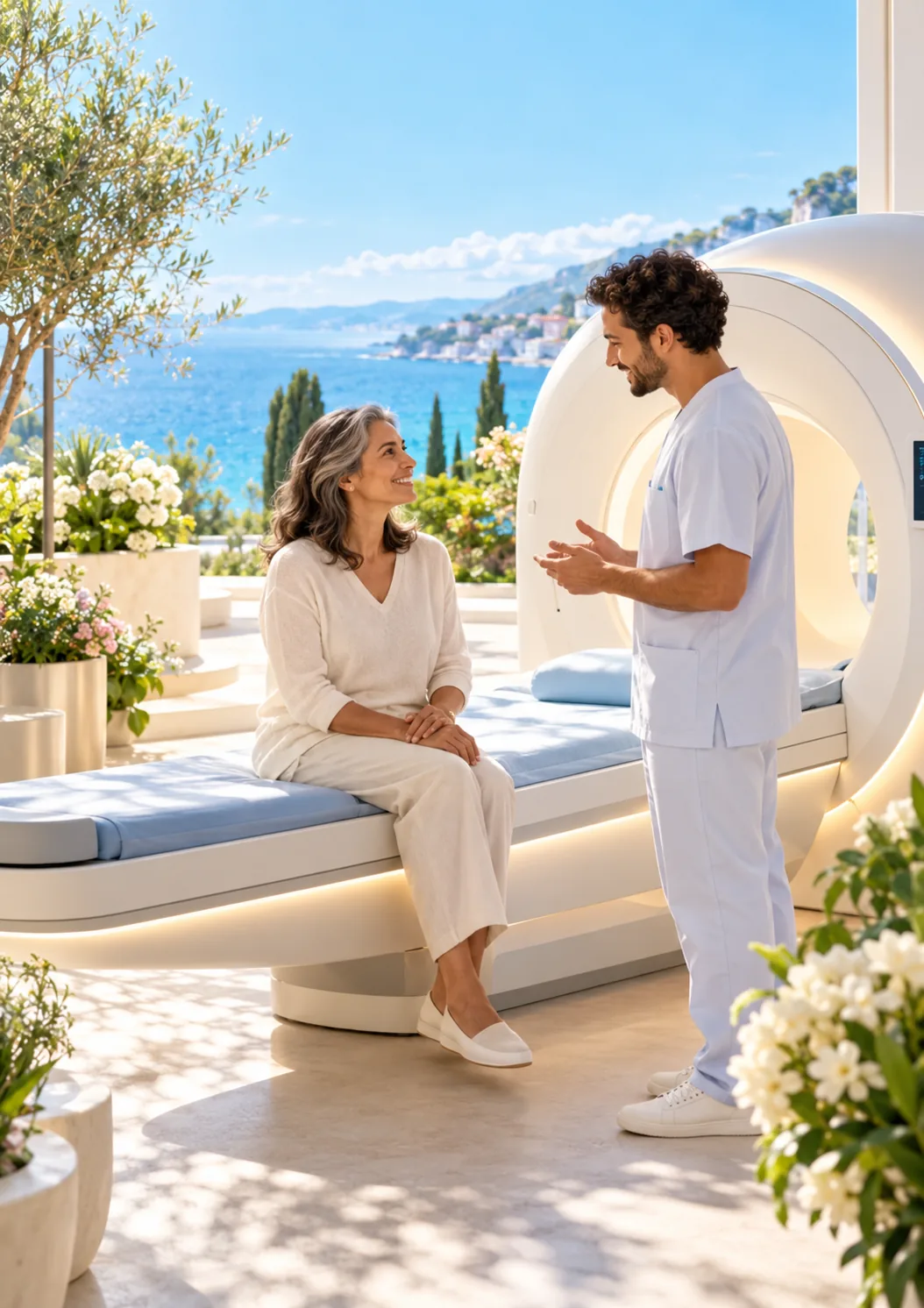
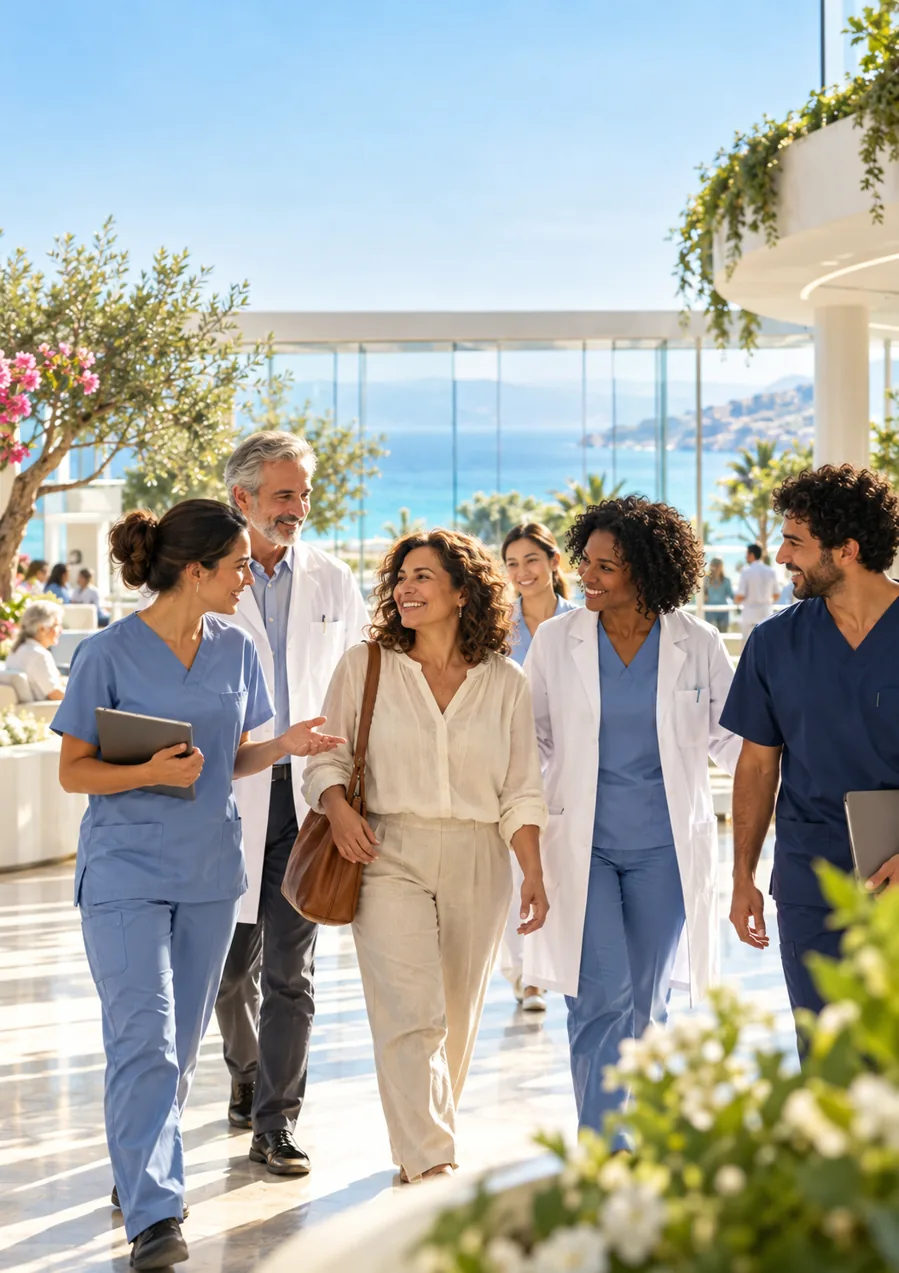
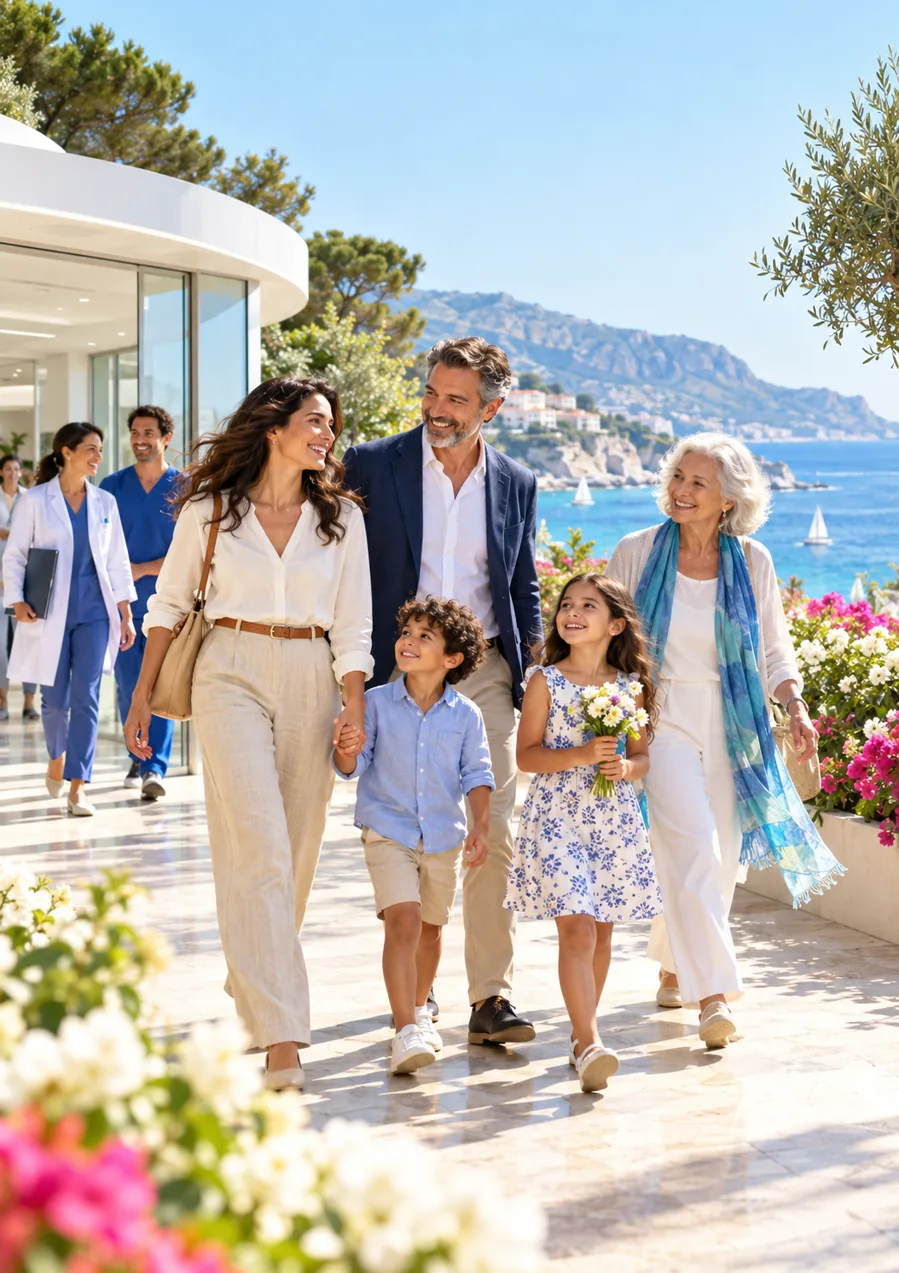
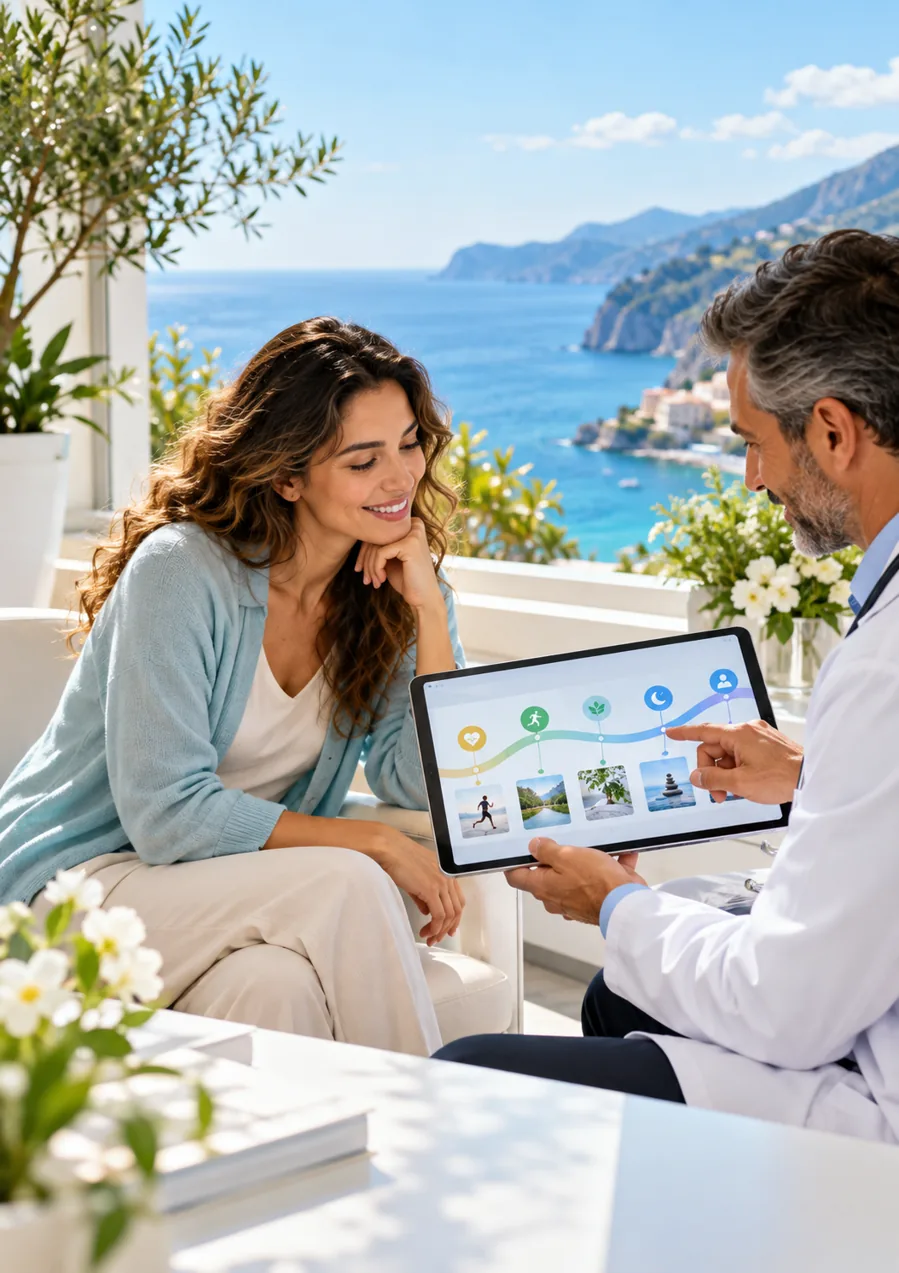
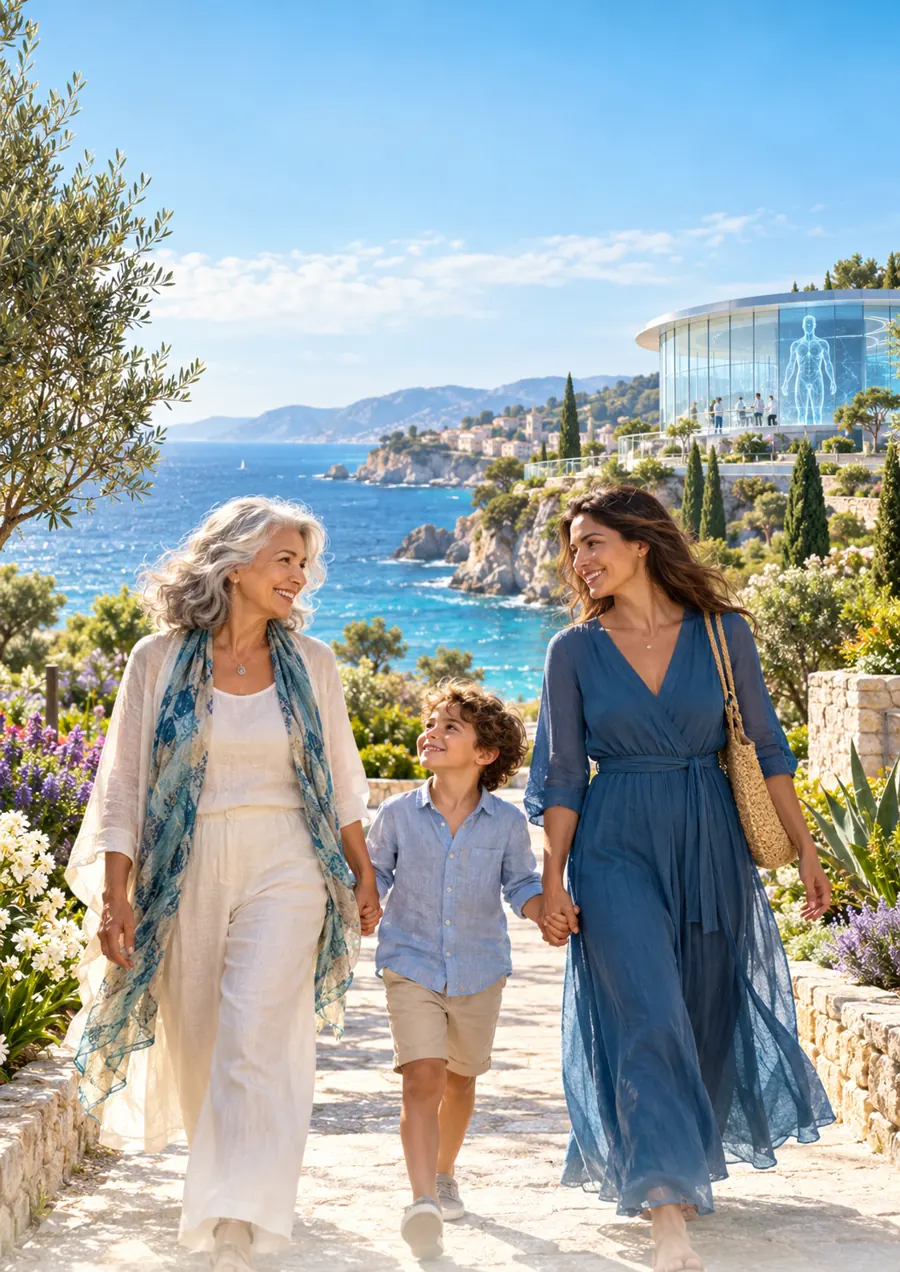
More life in our years.Walking with a child, breathing on a stroll, continuing to choose and take part: these are the human benefits we will work towards. The digital twin will be designed to connect images and measurements from the same person over time. Research will test how this information can improve health pathways.

Movement and independence
Movement difficulties can limit everyday life.
We will study tools to track walking and recovery.
The benefit we seek
Preserve movement, independence and meaningful everyday activities.

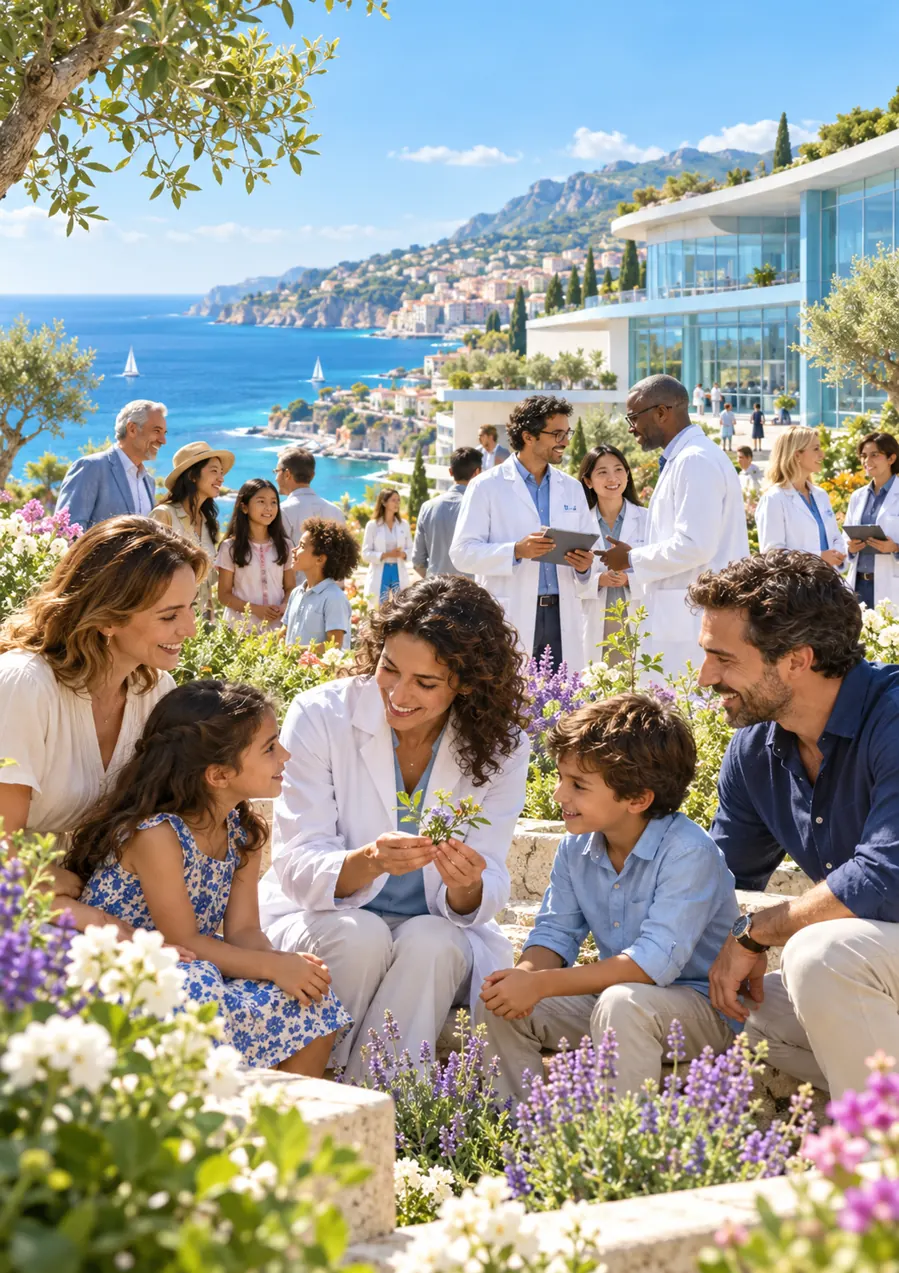
Cancer research
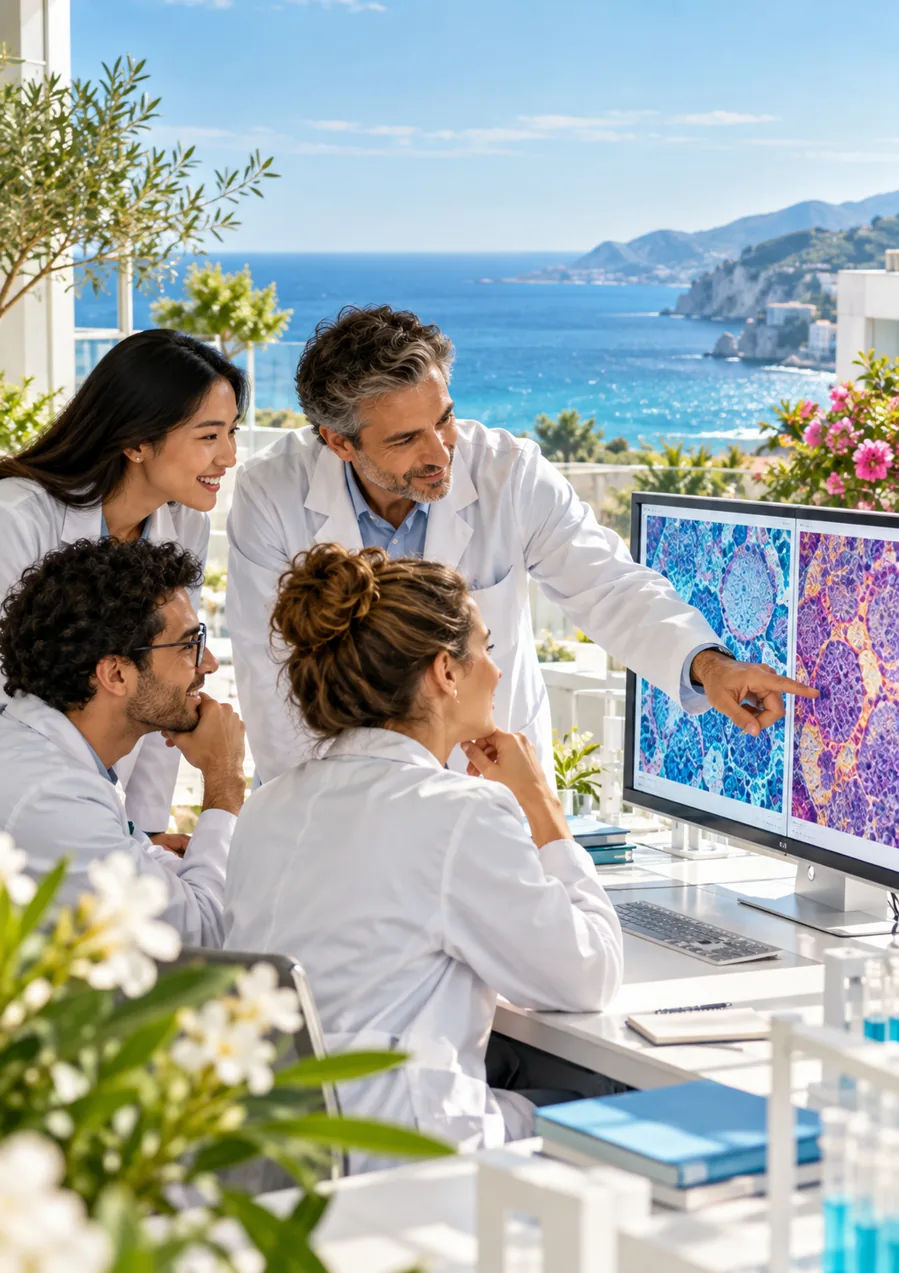
Every cancer has different characteristics.
We will define research questions for specific conditions.
The benefit we seek
Improve understanding of cancer and pathways of care through research.

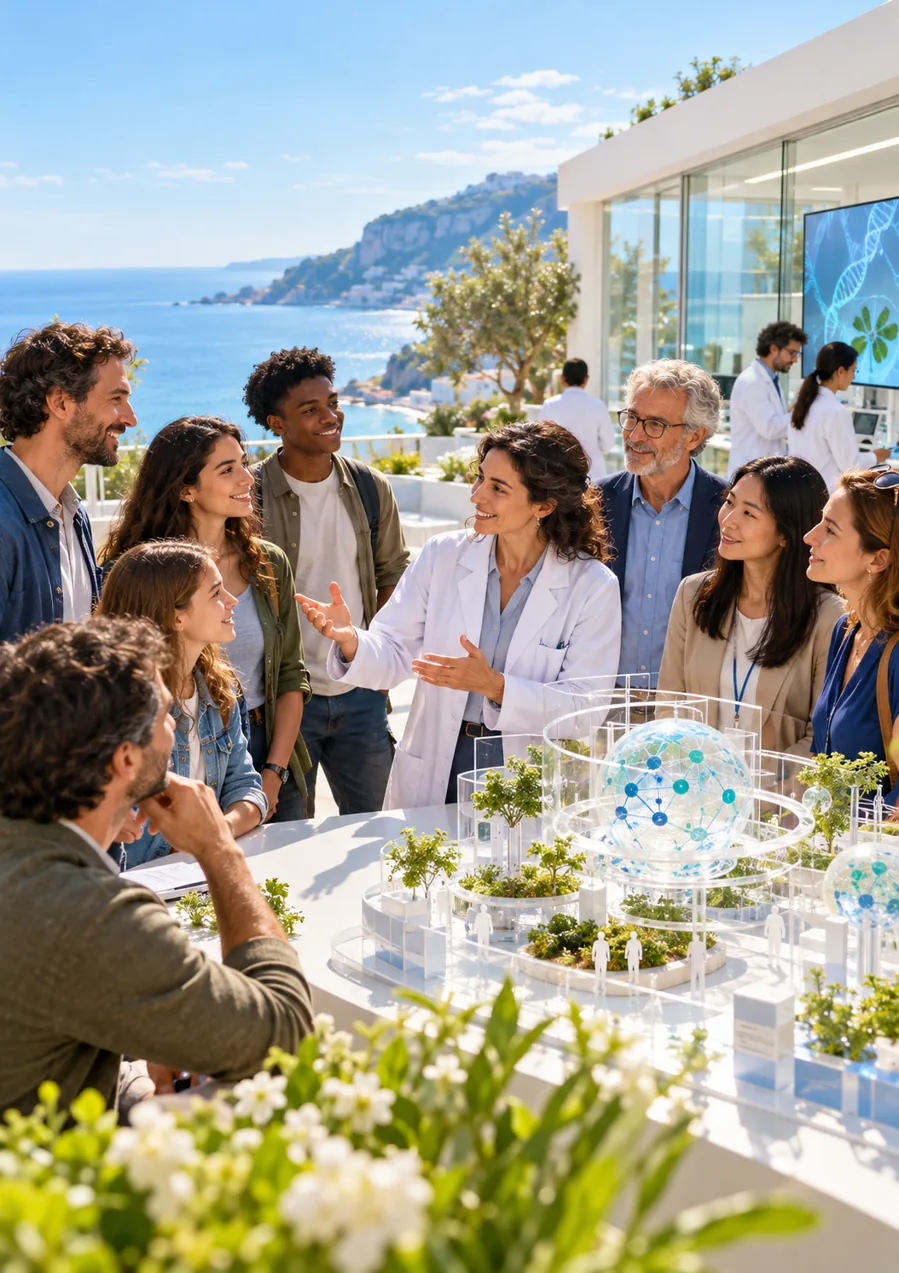
Institute and young researchers
Many young people have ideas to develop.
We will devote resources to research pathways and scholarships.
The benefit we seek
Give young talent time, tools and opportunities for health research.
100 illustrated pages, 10 pathways. Open a page to see a portrait image beside a simple explanation. Each possibility is a question for research.
100 illustrated pages to explore
001 · People firstWe will build a history of the body to compare over time.
002 · People firstWe will design a model bringing a person's information together.
003 · People firstWe will explain measurements using clear words and images.
004 · People firstWe will make room for questions and understanding the care journey.
005 · People firstWe will study how to connect observations in a personal overview.
006 · People firstWe will develop tools to compare successive scans and measurements.
007 · People firstWe will describe aims and results clearly.
008 · People firstWe will study applications suited to different ages.
009 · People firstWe will design accessible pathways that respect these differences.
010 · People firstWe will organise information to support conversations with professionals.
011 · Understanding the bodyWe will study muscle shape and volume alongside function.
012 · Understanding the bodyWe will integrate available measurements into a personal model.
013 · Understanding the bodyWe will study the relationship between joints and movement.
014 · Understanding the bodyWe will compare techniques for describing shape and changes.
015 · Understanding the bodyWe will study complementary measurements to understand tissues better.
016 · Understanding the bodyWe will develop procedures to make scans and measurements comparable.
017 · Understanding the bodyWe will integrate checks on measurement quality.
018 · Understanding the bodyWe will show changes within the person's history and context.
019 · Understanding the bodyWe will reconstruct models and check them against the original images.
020 · Understanding the bodyWe will preserve links between images, measurements and methods.
021 · Movement and independenceWe will study tools to track walking and recovery.
022 · Movement and independenceWe will compare personal models and measurements during exercise.
023 · Movement and independenceWe will connect strength measurements with observations of the body.
024 · Movement and independenceWe will study how to track changes during dedicated programmes.
025 · Movement and independenceWe will develop simulations to compare with real measurements.
026 · Movement and independenceWe will study tools to track rehabilitation progress.
027 · Movement and independenceWe will study how to measure and follow muscle function.
028 · Movement and independenceWe will connect the model to abilities used in real life.
029 · Movement and independenceWe will organise comparisons before and after exercise programmes.
030 · Movement and independenceWe will study the abilities that support independent living.
031 · Heart, breathing and functionWe will study integration of relevant heart data.
032 · Heart, breathing and functionWe will assess sensors that could complement the personal history.
033 · Heart, breathing and functionWe will study connections between breathing, activity and images.
034 · Heart, breathing and functionWe will relate functional measurements to clinical context.
035 · Heart, breathing and functionWe will study links between movement and physiological signals.
036 · Heart, breathing and functionWe will organise measurements to study functional recovery.
037 · Heart, breathing and functionWe will develop tools to interpret them together with professionals.
038 · Heart, breathing and functionWe will design measurements with attention to personal experience.
039 · Heart, breathing and functionWe will select scans and measurements according to research aims.
040 · Heart, breathing and functionWe will complement the model with appropriate functional tests.
041 · Degenerative disease researchWe will study personal changes over the years.
042 · Degenerative disease researchWe will seek indicators to verify over time.
043 · Degenerative disease researchWe will study personal muscle and functional differences.
044 · Degenerative disease researchWe will study their development and effects on function.
045 · Degenerative disease researchWe will connect body measurements with functional tests.
046 · Degenerative disease researchWe will assess outcomes linked to everyday activities.
047 · Degenerative disease researchWe will study possible integration with dedicated neurological measurements.
048 · Degenerative disease researchWe will organise studies with repeated observations.
049 · Degenerative disease researchWe will study intervention effects using comparable methods.
050 · Degenerative disease researchWe will include quality of life among measured outcomes.
051 · Cancer researchWe will define research questions for specific conditions.
052 · Cancer researchWe will study tissue changes in defined clinical settings.
053 · Cancer researchWe will study early signals in defined risk groups.
054 · Cancer researchWe will study how to compare observations during treatment.
055 · Cancer researchWe will design analyses that preserve the person's context.
056 · Cancer researchWe will encourage projects across centres using comparable methods.
057 · Cancer researchWe will make room for quality of life in studies.
058 · Cancer researchWe will provide accessible explanations of research aims.
059 · Cancer researchWe will develop tools to measure relevant changes.
060 · Cancer researchWe will dedicate projects to defined cancer research questions.
061 · Public health and familiesWe will measure costs and outcomes of the pathways studied.
062 · Public health and familiesWe will study whether timely information improves care pathways.
063 · Public health and familiesWe will design organised reuse of authorised data.
064 · Public health and familiesWe will study workflows connecting measurements and professionals.
065 · Public health and familiesWe will measure time and organisation within care pathways.
066 · Public health and familiesWe will also assess the burden on carers.
067 · Public health and familiesWe will study outcomes that matter in daily life.
068 · Public health and familiesWe will design formats and links that support continuity.
069 · Public health and familiesWe will compare benefits, costs and service organisation.
070 · Public health and familiesWe will put collective benefit at the programme's centre.
071 · Technology and prototypeWe will bring together medicine, engineering, physics and computing.
072 · Technology and prototypeWe will compare their contributions to the project's questions.
073 · Technology and prototypeWe will define components, functions and verification criteria.
074 · Technology and prototypeWe will study simplicity, positioning and comfort.
075 · Technology and prototypeWe will develop analyses that can be checked against original images.
076 · Technology and prototypeWe will design comparable versions of the personal model.
077 · Technology and prototypeWe will organise an architecture with updatable modules.
078 · Technology and prototypeWe will document coverage, accuracy and repeatability.
079 · Technology and prototypeWe will organise comparative tests on defined questions.
080 · Technology and prototypeWe will use evidence to guide platform development.
081 · Institute and young researchersWe will work towards establishing a research institute.
082 · Institute and young researchersWe will devote resources to research pathways and scholarships.
083 · Institute and young researchersWe will promote joint projects between scientific groups.
084 · Institute and young researchersWe will organise learning opportunities within projects.
085 · Institute and young researchersWe will assess proposals consistent with the scientific mission.
086 · Institute and young researchersWe will study protection and development of promising inventions.
087 · Institute and young researchersWe will preserve methods, versions and test results.
088 · Institute and young researchersWe will encourage scientific communication of results.
089 · Institute and young researchersWe will seek international scientific collaborations.
090 · Institute and young researchersWe will create opportunities for those dedicating their talent to research.
091 · With everyone's helpWe will link resources to identifiable research aims.
092 · With everyone's helpWe will present projects supporting young talent.
093 · With everyone's helpWe will describe the tests that contributions will support.
094 · With everyone's helpWe will explain results, activities and next steps.
095 · With everyone's helpWe will seek agreements to develop components and prototypes.
096 · With everyone's helpWe will present research programmes to organisations interested in the mission.
097 · With everyone's helpWe will explain the project in simple, accessible language.
098 · With everyone's helpWe will communicate through light, nature and respect for people.
099 · With everyone's helpWe will make milestones and resource use visible.
100 · With everyone's helpA.D.O.S. INTERNATIONAL will unite people and expertise to build this journey.

We will work towards a research institute bringing together medicine, engineering, physics and computing: scholarships for young researchers, prototype development and testing, collaboration with scientific centres and manufacturers, and protection and development of promising inventions.
Scholarships for new talent →
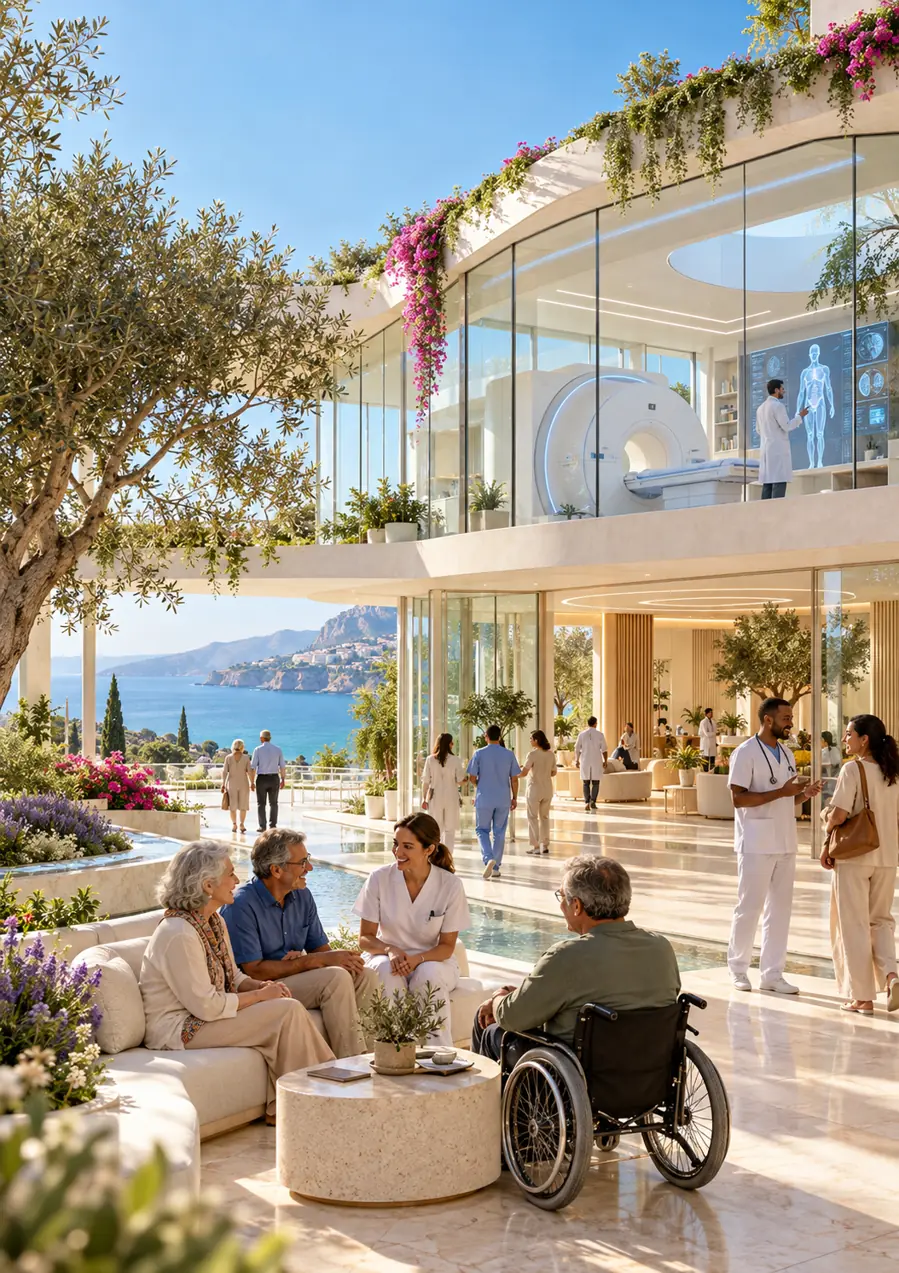
We imagine hospitals where professionals can consult a shared history of the body, compare changes and coordinate care. Research will study links between assessments, preparation for interventions and recovery, within a network including local services. The aim is clearer, more accessible and more humane care, with technology serving people and their carers.
A project scenario to develop and verify. This is not an existing hospital.
Pilot centres: study the system in facilities with the required expertise and resources.
Local stations: design scheduled access close to communities, linked to healthcare professionals.
Emergency departments: evaluate targeted uses through dedicated studies of speed, reliability and usefulness in urgent care.
With everyone's help
Support will help develop the prototype, fund expertise and scholarships, organise tests and document results. Researchers, professionals, businesses, foundations and citizens can take part.
Let's discuss taking part ↗Information contact only. Financial participation arrangements will be presented with defined uses of funds and reporting.